Worried your wholesale plush toys could harm your brand? Low-quality products with issues like shedding or fading can lead to costly returns and damage your hard-earned reputation.
To ensure plush toy quality and safety, you must verify international safety certifications like EN71 and ASTM, implement strict material testing, and enforce rigorous in-production and final inspections. Partnering with a manufacturer that controls the entire supply chain is crucial for consistent results.
I know this might sound complicated, especially when you're juggling design, deadlines, and budgets. You might think achieving this level of control is out of your hands. But it really comes down to knowing what to look for and partnering with a supplier who prioritizes these steps. Let's break down exactly what you need to focus on to protect your brand and delight your customers.
What Key Standards and Tests Really Matter for Plush Toy Safety?
Are you feeling overwhelmed by the long list of safety standards? It's tough to know which certifications like EN71, ASTM, or REACH are essential and what they actually cover.
Focus on key international standards like EN71 for Europe and ASTM F963 for the US. These cover physical safety, flammability, and chemical content. Your manufacturer must provide valid test reports for all materials, proving they meet these critical requirements for every production batch.
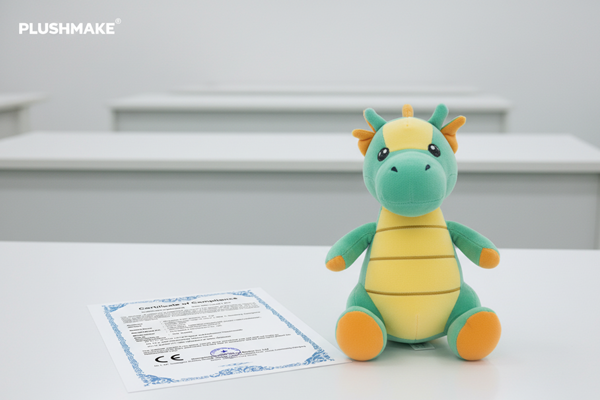
Navigating safety compliance is one of the most critical parts of my job. A brand's reputation can be ruined by a single safety recall. It’s not just about ticking a box; it’s about genuinely protecting the end-user. That's why we don't just follow the standards; we build our entire production process around them. Every material we source, from the fabric shell to the stuffing and threads, must come with up-to-date compliance reports.
Understanding the Core Standards
Think of these standards as your product's rulebook. They aren't optional. For example, the EN71 standard has multiple parts covering everything from small parts that could be a choking hazard to ensuring fabric dyes are non-toxic. ASTM F963 in the United States has similar strict requirements. A reliable manufacturer will not only be familiar with these but will proactively guide you through the compliance needs for your target market. They should be able to explain what each test means for your specific product.
Essential Testing You Cannot Skip
Beyond certifications, specific tests are non-negotiable. One of the most important is needle detection. Every single plush toy we produce goes through a metal detector to ensure no broken needle fragments are left inside. We also conduct physical stress tests, like pull tests on seams, eyes, and other attachments, to make sure they can withstand rough handling. These simple checks prevent major problems down the line.
| Test Type | Purpose | Key Standards Covered |
|---|---|---|
| Physical/Mechanical | Checks for choking hazards, sharp edges, and structural integrity. | EN71-1, ASTM F963 |
| Flammability | Ensures the toy won't easily catch fire. | EN71-2, ASTM F963 |
| Chemical Analysis | Tests for heavy metals and harmful substances in materials. | EN71-3, REACH, CPSIA |
| Needle Detection | Scans for any broken metal fragments inside the final product. | Internal Factory Policy |
How Can You Effectively Control Quality During Production?
Does your final product sometimes look different from the approved sample? Inconsistencies in color, stitching, or material can completely undermine your design and lead to customer dissatisfaction.
Effective quality control requires multiple inspection points throughout the production process, not just at the end. This includes raw material checks, in-line inspections during sewing and stuffing, and a comprehensive final review to catch any inconsistencies before the products are shipped.
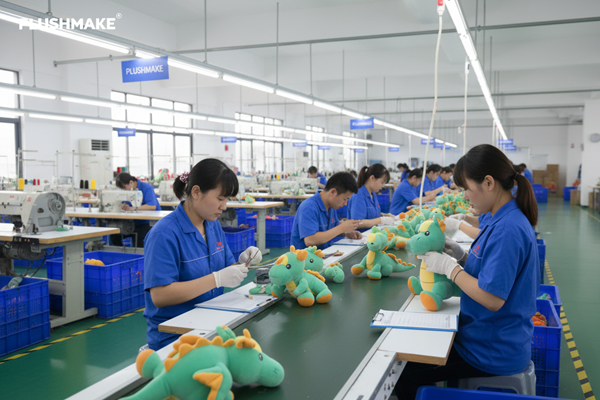
I've learned from experience that waiting until the end to check for quality is a recipe for disaster. Finding a problem in 10,000 finished units is a nightmare. That's why we've built a system of checks at every single stage. It starts the moment raw materials arrive at our factory. We compare fabrics to the approved swatch for color and texture. If it doesn't match perfectly, we reject it. This proactive approach saves time, money, and ensures the product you designed is the product your customer receives.
The Role of an Inspection Team
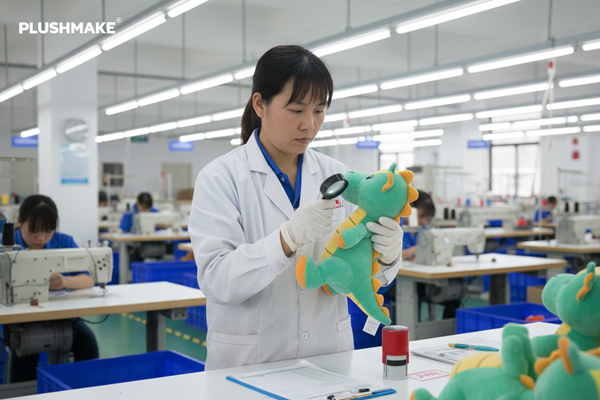
A dedicated quality control (QC) team is essential. Our inspectors are on the production floor, not in an office. They pull items from the line at random to check for stitching consistency, stuffing density, and embroidery accuracy. This constant monitoring allows us to spot and correct any small deviations before they become large-scale problems. For a designer like you, this means you can have confidence that the 10,000th unit will look just as good as the golden sample you approved.
Establishing Clear Quality Benchmarks
Before we even start mass production, we work with you to create a detailed quality control checklist. This document becomes our guide. It specifies everything from the acceptable stitch length to the exact placement of a logo. Having these clear, objective standards eliminates guesswork and ensures everyone, from the sewing machine operator to the final inspector, is working toward the same goal. This document is a critical tool for maintaining consistency across your entire wholesale order.
Why is Full Supply Chain Control Essential for Wholesale Success?
Are you struggling with unpredictable timelines and inconsistent quality from your suppliers? When a manufacturer outsources different parts of the process, you lose visibility and control, leading to delays and defects.
Full supply chain control means your manufacturing partner manages everything in-house, from sourcing raw materials to final assembly and packaging. This integrated approach ensures consistent quality, reliable timelines, and full accountability, giving you peace of mind and protecting your brand.
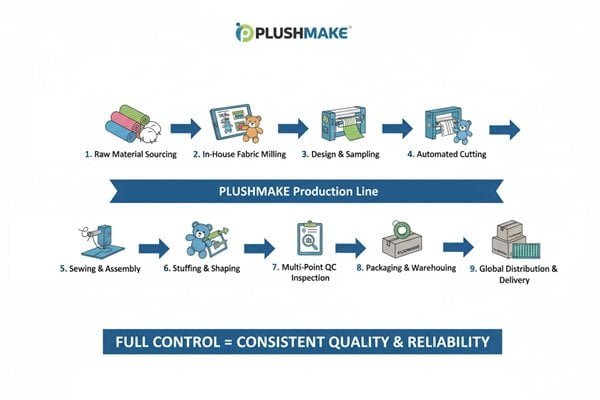
Relying on a fragmented supply chain is risky. I've seen projects get derailed because a third-party fabric supplier was delayed or delivered a poor-quality batch. That’s why at PlushMake, we've invested heavily in creating a fully integrated system. We have our own trusted network for sourcing materials, and our in-house teams handle design, sampling, cutting, sewing, stuffing, and inspection. This gives us complete control over the entire process. If there's an issue, we can identify and fix it immediately because it's all happening under our roof.
The Benefits of an In-House Team
Having our design and production teams working side-by-side is a huge advantage. When you bring us a concept, our designers can immediately consult with the production managers to ensure the design is not only cool but also manufacturable at scale and within budget. This collaboration streamlines the sampling process and prevents problems that often arise when a design is handed off to a separate factory. It makes the journey from idea to finished product smoother and faster.
Securing Your Brand's Reputation
Ultimately, full supply chain control is about risk management. When you know who is handling every step of your product's creation, you can be confident in the final quality. This control allows us to guarantee material safety, meet production deadlines, and ensure every plush toy meets your high standards. For wholesalers, this means fewer returns, lower after-sales costs, and happier customers who trust your brand and keep coming back.
Conclusion
In summary, ensuring wholesale plush toy quality and safety depends on strict adherence to standards, continuous in-production inspections, and choosing a partner with full supply chain control.