
Struggling to get a clear price for your custom plush t […]
Safety & Compliance Hub
Navigate Global Toy Safety Standards with Confidence
Understanding EN71, ASTM F963, CPSIA and market-specific requirements. Your guide to compliant manufacturing and successful market entry.
EN71 / CE
EU compliance roadmap
ASTM + CPSIA
US testing & CPC docs
Doc Pack
Reports • labels • traceability
Not sure which standard applies?
Tell us your target market + age grade, we’ll return a compliance checklist & required documents.
Major Safety Standards
A practical overview of the compliance frameworks that govern toys across major markets.
EN71 (EU/UK)
Mechanical/physical, chemical migration, flammability, and age grading requirements for the European market.
- EN71-1 mechanical
- EN71-2 flammability
- EN71-3 chemical migration
ASTM F963 (USA)
Mandatory toy safety specification for the US market covering choking hazards, sharp edges, and safety labeling.
- Small parts & use/abuse
- Tension/torque tests
- Labeling rules
CPSIA (USA)
US chemical restrictions and documentation requirements (lead, phthalates) + certificate expectations for children’s products.
- Lead & phthalates limits
- Third-party testing
- CPC documentation
Compliance is a system — not a one-time test
The fastest way to pass is to lock materials, age grade, labeling and test plan early — before sampling.
Deliverables
Test reports • CPC/DoC • labels
Controls
Material approval • batch traceability
Risk hotspots
Small parts • seams • inks
Speed up
Pre-checklist + sample test plan
Evidence pack
Reports • labels • traceability
Quick Comparison: What Each Market Expects
A decision table buyers can actually use (and share internally).
| Market | Core Standard | Common Tests | Must-have Docs | Notes |
|---|---|---|---|---|
| EU | EN71 + CE | Mechanical • Flammability • Chemical migration | DoC • Test report • Label/age grade | Consider REACH chemical restrictions |
| UK | UKCA (often aligned with EN71) | Similar to EN71 test scope | UK docs • Test report • Labeling | Plan for UK-specific marking/docs |
| USA | ASTM F963 + CPSIA | Small parts • Use/abuse • Chemical limits | CPC • Test report • Tracking label | Age 0–3 small parts risk is key |
| Canada | SOR/2011-17 | Mechanical • Flammability • Chemical scope | Docs + labeling | Often needs bilingual labeling |
| Australia | AS/NZS ISO 8124 | Mechanical • Flammability • Chemical scope | Supplier declaration + reports | Check ACCC guidance for category |
Common Compliance Pitfalls
Avoid costly delays by fixing the issues that most often fail testing.
!
Inadequate Age Grading
Incorrect age recommendations leading to safety violations
Fix: Risk assessment + clear labeling + design constraints
!
Chemical Non-Compliance
Exceeding limits for heavy metals or restricted substances
Fix: Approved material list + periodic supplier testing
!
Missing Documentation
Incomplete reports/certificates for customs or retailer onboarding
Fix: Standard doc pack per SKU + batch traceability
!
Market-Specific Oversights
Assuming one standard applies everywhere
Fix: Market matrix + tailored test plan per destination
Evidence You Can Hand to Retailers & Customs
Compliance isn’t just “passing a test” — it’s having the documentation and traceability that buyers require.
Compliance Document Pack
Test reports, CPC/DoC guidance, labeling checklist, material declarations (as applicable).
Material Control & Traceability
Approved supplier list, batch tracking, and pre-production verification before mass production.
Pre-check to Reduce Failure Risk
Design review focusing on small parts, seams, embroidery, inks, and labeling.
Doc Pack
Retail-ready
Latest Compliance Insights
Regulatory updates, checklists, and practical manufacturing guidance.

•
7 min read
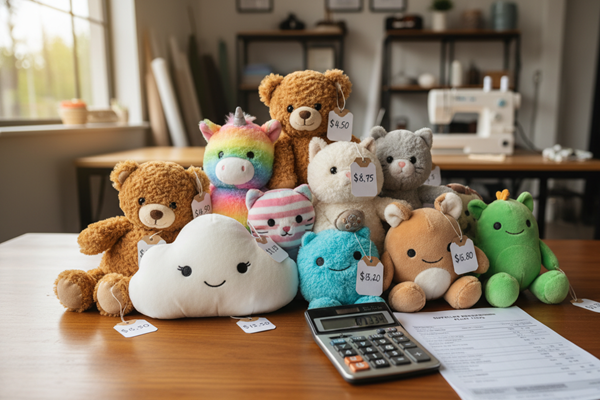
How do I ensure the quality and safety of wholesale plush toys?
Worried your wholesale plush toys could harm your brand […]
•
8 min read
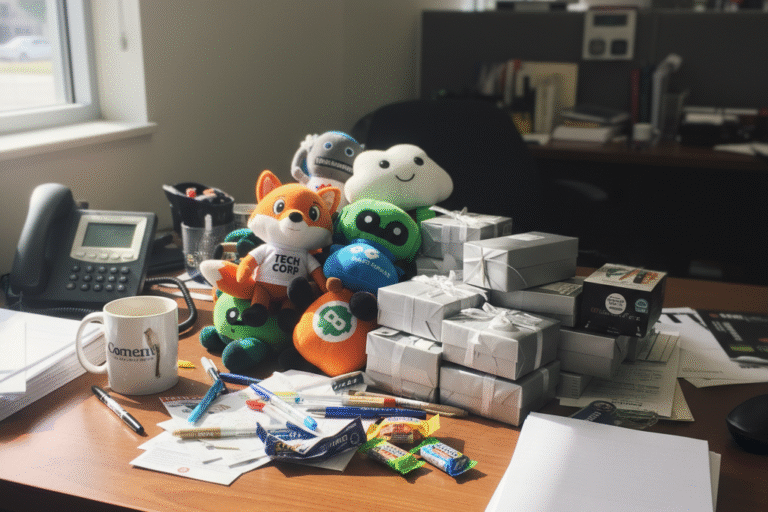
How Can Plush Products Boost User Goodwill for Corporate Gifts?
Tired of giving corporate gifts that feel cheap and are […]
FAQ: Safety & Compliance
Fast answers to the questions buyers ask before placing an order.
Do I need EN71 and CE to sell in Europe?
Typically yes for toys in the EU. You’ll generally need EN71 testing coverage plus documentation (e.g., Declaration of Conformity) and correct labeling/age grading.
For the US, is ASTM F963 enough?
Usually you’ll need ASTM F963 plus CPSIA chemical limits, and the required documentation (commonly CPC) and tracking label expectations for children’s products.
What fails plush toys most often?
Common failures include small parts hazards (eyes/accessories), weak seams, labeling/age grading mistakes, and material/ink chemical issues.
What documents should I prepare for customs/retailers?
Commonly requested: test reports, CPC/DoC guidance (market dependent), labeling checklist, material declarations where needed, and batch/traceability references.
Can you help define age grading and warnings?
Yes—age grading, warnings, and label layout should align with the destination market and the product’s parts/design risk profile.
When should testing happen in the project timeline?
As early as possible—lock materials and design constraints before sampling, then confirm the test plan during sample phase to avoid rework at mass production.
Ready to Ensure Your Products Meet Global Standards?
Send your target market + age grade + product photos. We’ll return a compliance checklist and a practical test/doc plan.
Documentation-ready • Market-specific guidance • Manufacturing-first compliance