
Mastering Materials & Craft
in Plush Manufacturing
From fabric textures to filling safety and compliance workflow, understand how professional material choices shape softness, durability, cost control, and market readiness for EU and US plush projects.
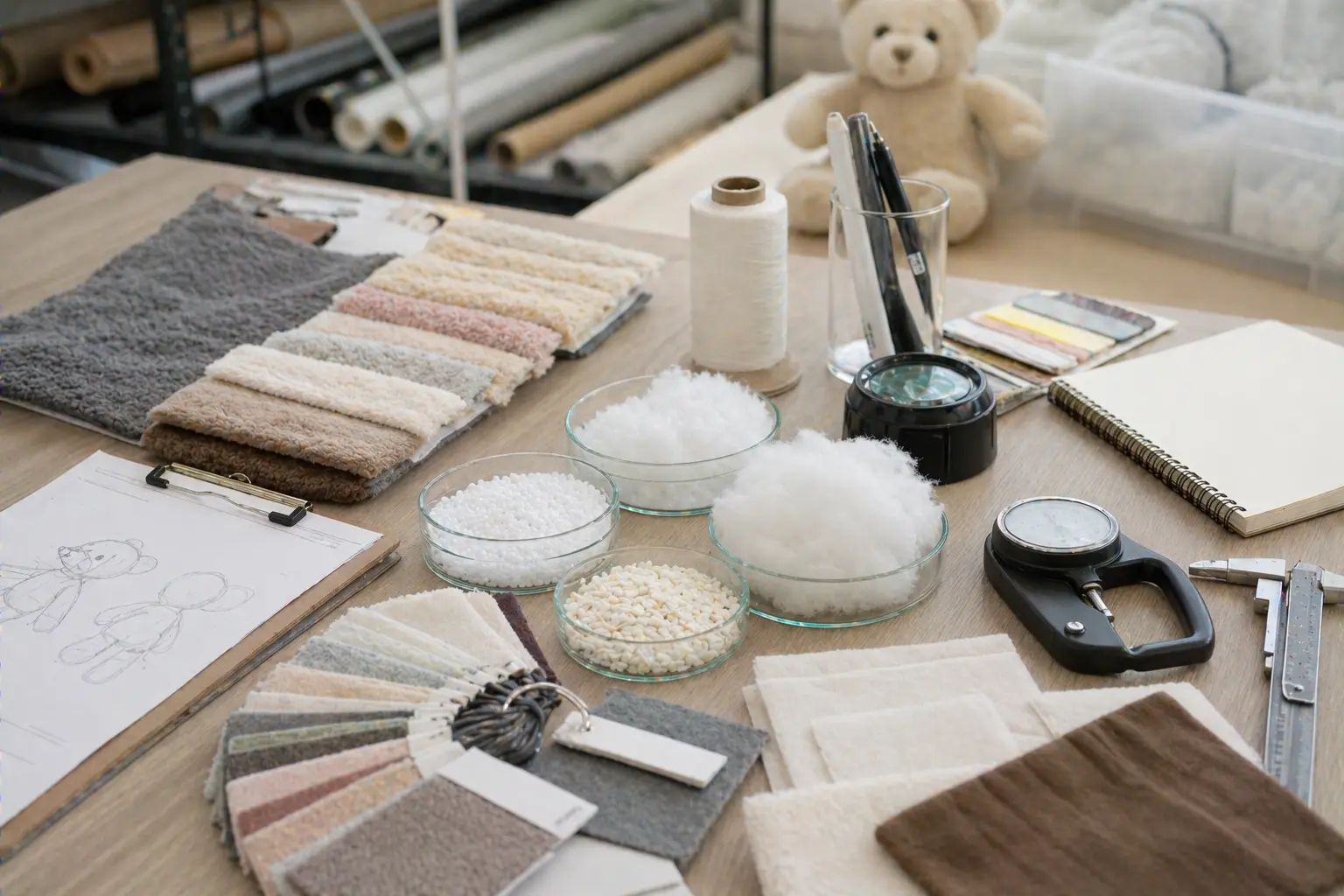
Need a fabric + fill recommendation for your target market? We can suggest material direction, filling options, and a testing-ready workflow based on age grade, budget, and sales channel.
Social Compliance
BSCI Audited
Audit evidence available on request
Testing Support
SGS / Intertek / BV
Third-party lab workflow supported
Documentation
MSDS + Material Specs
For buyer review and customs prep
Process
Needle Detection Supported
Per order requirement / agreed QC plan
Note: Material pricing and compliance scope vary by pile, GSM, backing, finish, trim details, and target market. Final confirmation should be based on sample approval and quotation review.
Material Categories & Applications
The right fabric, filling, and construction combination helps balance softness, durability, compliance planning, and cost efficiency for different product goals.
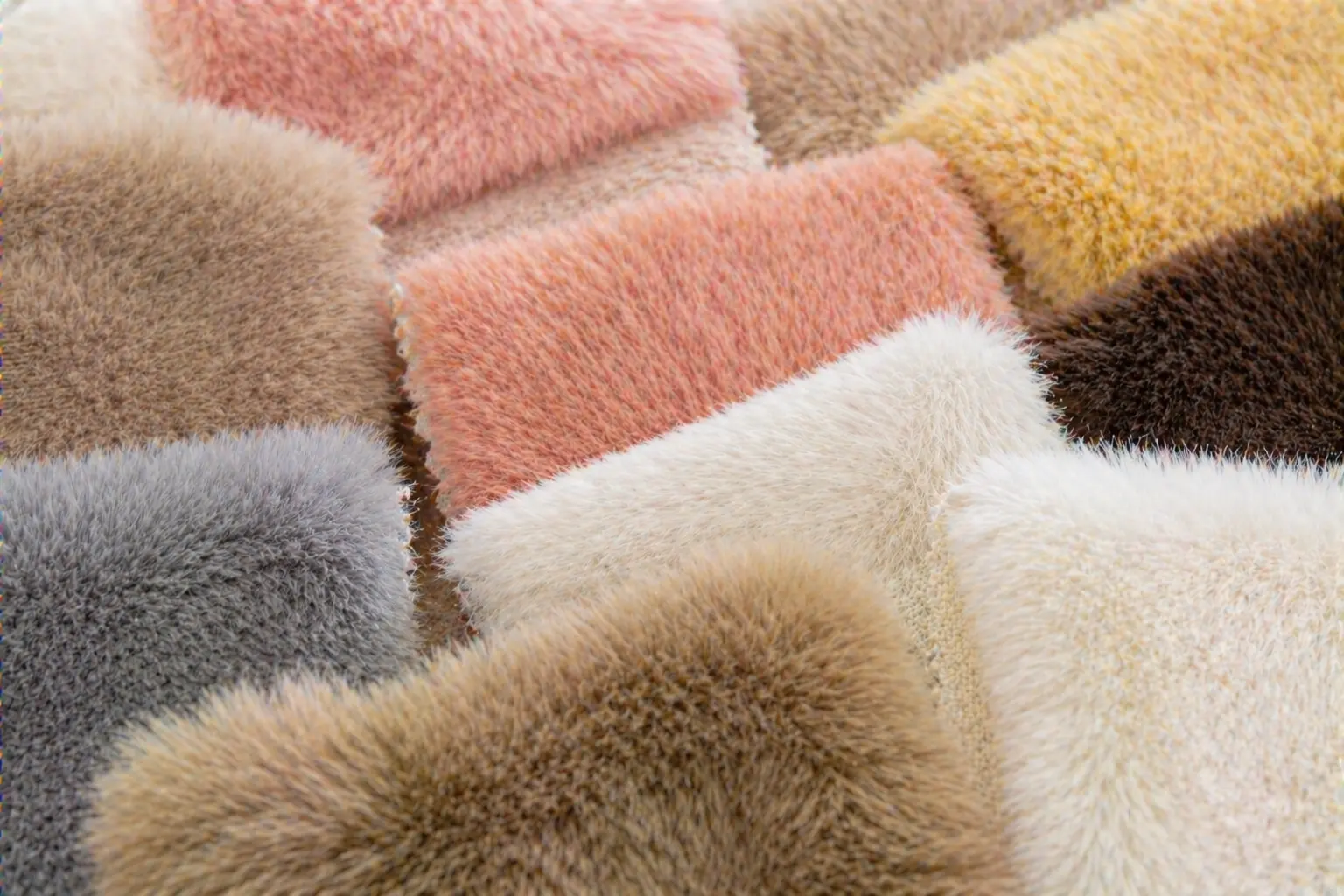
Surface Fabrics
Plush, velboa, sherpa, and specialty textures
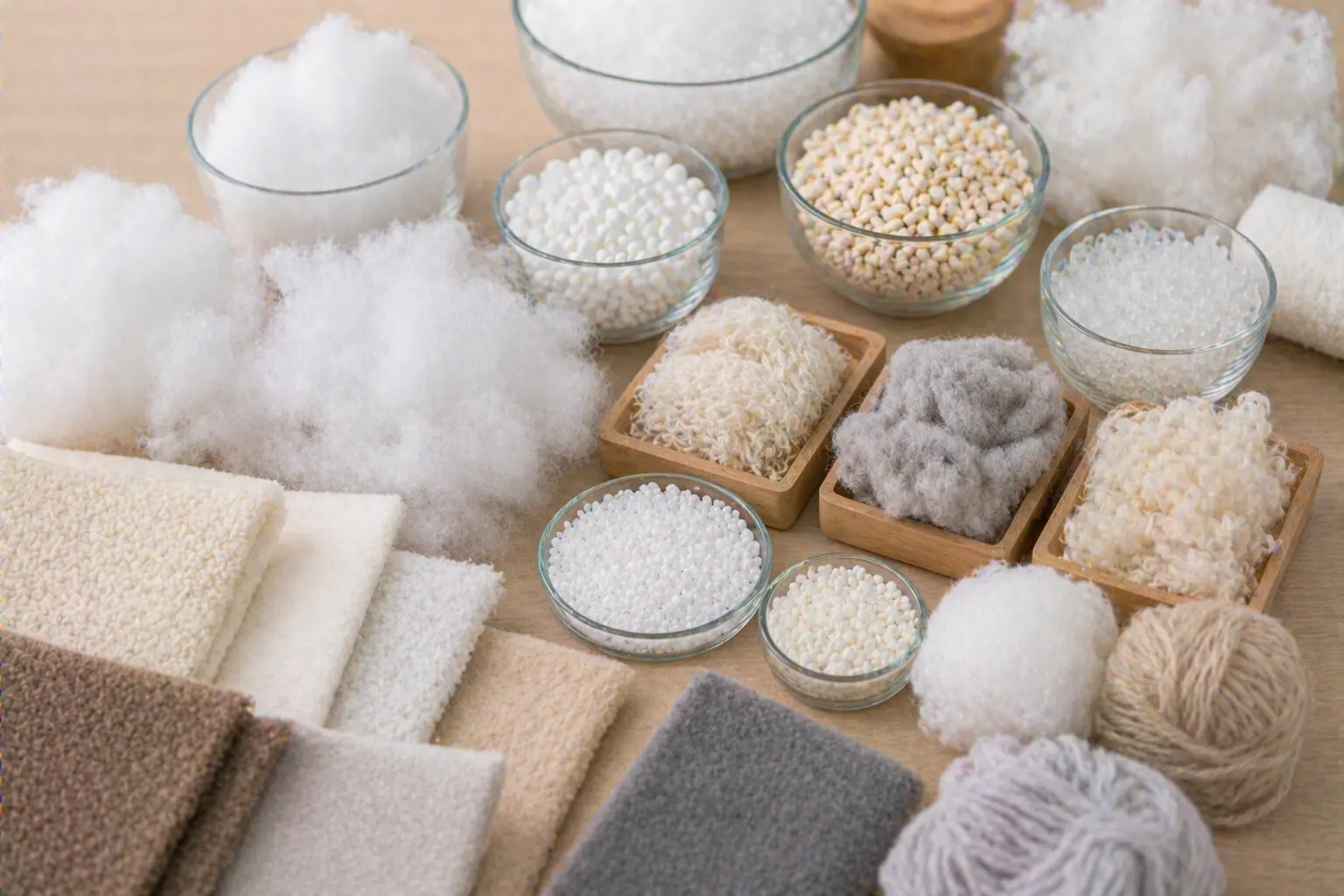
Filling Materials
Fiber fill, pellets, beans, and specialty fills

Safety & Compliance
Testing plan, labeling, and documentation readiness
Surface Fabrics
Fabric choice defines touch, appearance, print/embroidery behavior, and long-term wear performance. Different pile heights and finishes create very different results in sampling and bulk production.
- Short pile (3–8mm)
- Long pile (10–25mm)
- Velboa / Sherpa / Specialty
Filling Materials
Fillings affect softness, rebound, weight distribution, and long-term shape recovery. The right choice depends on age grade, seam structure, intended use, and shipping expectations.
- Fiber fill (7D–15D)
- Pellets / beans (contained)
- Specialty fills (by spec)
Safety Standards
Materials and construction should align with your target market requirements. We support testing workflow planning, buyer-facing documents, and QC checkpoints suitable for EU and US plush programs.
- US: CPSIA / ASTM support
- EU: EN71 / CE readiness support
- QC plan + inspection records
Evidence
BSCI audit
Factory social compliance audit
Evidence
Material MSDS
Available by supplier / lot
Evidence
Lab testing
SGS / Intertek / BV supported
Evidence
QC records
Incoming / in-line / final per plan
Plush Fabric Comparison Guide
Compare pile height, softness, durability, printing behavior, embroidery performance, and production practicality.
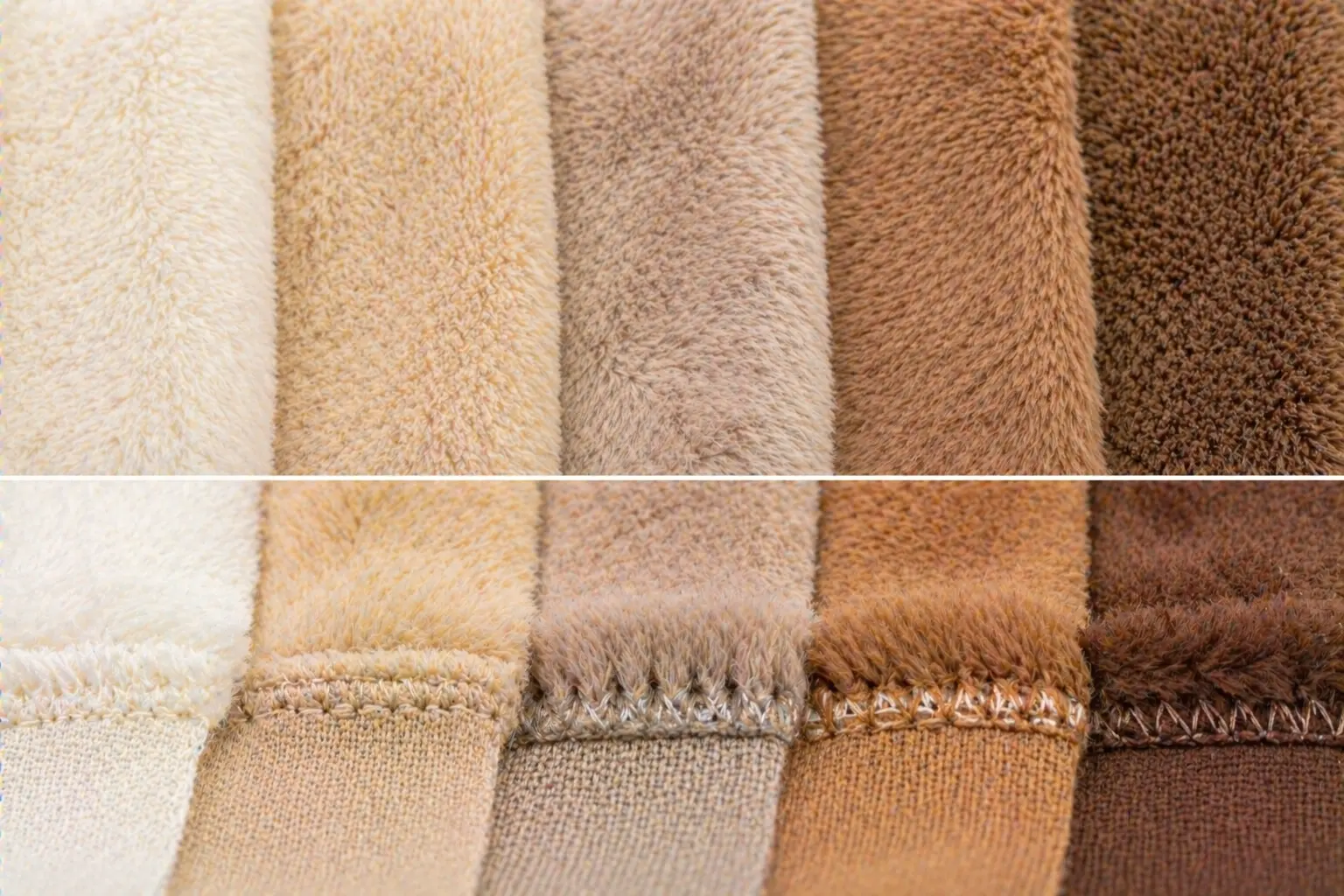
Short Pile Plush (3–8mm)
Best For:
- • Baby products
- • Educational toys
- • Pet accessories
- • Promotional items
Notes:
- • Easier to clean
- • More stable for printing
- • Efficient cutting
- • Faster production
Reference only. Final cost depends on GSM, finish, dyeing, MOQ, and supplier availability.
Long Pile Plush (10–25mm)
Best For:
- • Luxury toys
- • Home décor
- • Collectibles
- • Premium gifts
Notes:
- • Ultra-soft feel
- • Premium appearance
- • Careful seam finishing
- • Brushing / combing steps
Reference only. Pile height and backing cloth affect cutting loss and seam visibility.
Velboa & Sherpa
Best For:
- • Blankets
- • Comfort products
- • Winter accessories
- • Sensory plush
Notes:
- • Wash-friendly options
- • Warm hand-feel
- • Good stitch hold
- • Broad color range
Specialty Textures
Best For:
- • Character toys
- • Realistic animals
- • Art plush
- • Signature designs
Notes:
- • Unique look and feel
- • Custom emboss / print
- • Longer lead time
- • Higher MOQ sensitivity
Fabric Selection Matrix
Qualitative guidance for buyer decision-making.
| Fabric Type | Durability | Softness | Relative Cost | Production Speed |
|---|---|---|---|---|
| Short Pile Plush | High | Mid | Low–Mid | Fast |
| Long Pile Plush | Mid | High | Mid–High | Mid |
| Velboa / Sherpa | High | High | Mid | Mid–Fast |
| Specialty Textures | Mid | High | High | Slower |
Evidence
Swatch library
Fabric references available for sampling
Evidence
Print / embro tests
We test clarity, fuzzing, and stitch stability
Evidence
Wash & abrasion
Testing supported per project scope
Filling Materials & Safety Considerations
Filling selection affects softness, rebound, weight, wash behavior, and seam stress. It also influences age-grade suitability and documentation needs.
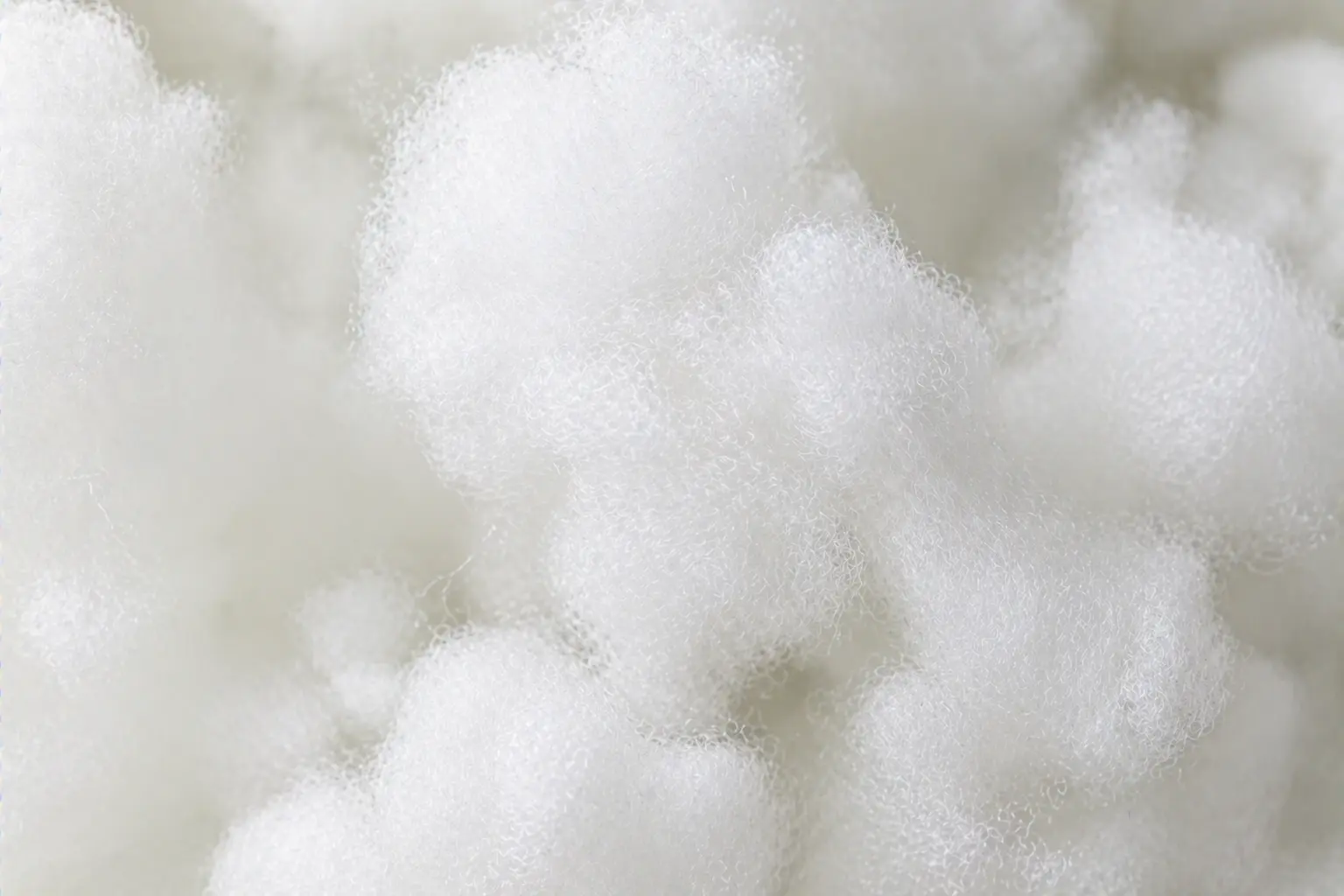
Fiber Fill Options
Feel and rebound adjusted by denier and structure
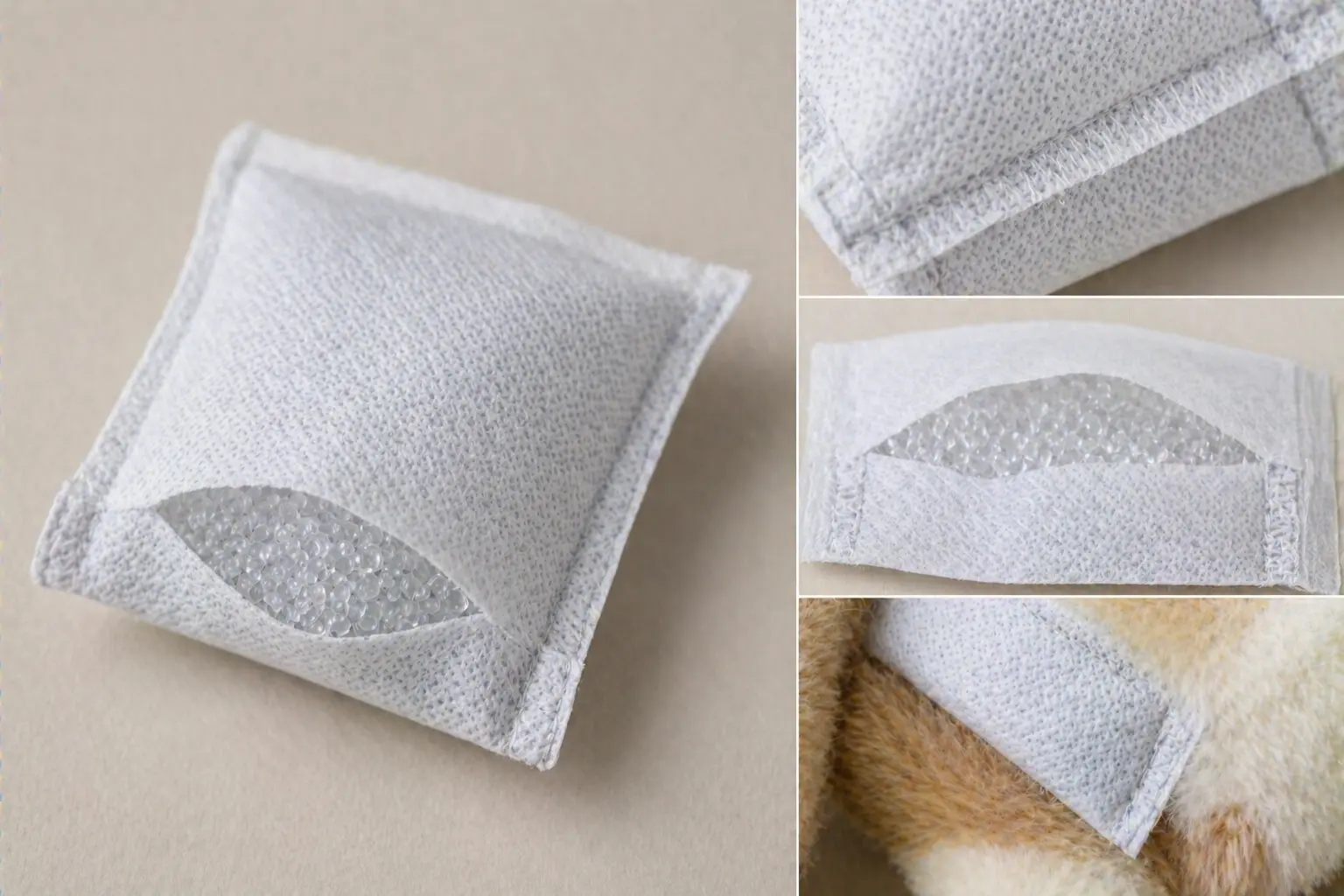
Pellets / Beans Containment
Containment and seam reinforcement for safer weighted feel
Polyester Fiber Fill (Typical)
Pellets / Beans (Weighted Feel)
Safety Notes:
- • Internal pouch containment required
- • Reinforced seams / stitch spec
- • Age-grade and labeling alignment
- • QC checks per agreed plan
Guidance only. Final allowance depends on target market rules, design, and risk assessment.
Safety & Compliance Planning (EU / US)
US Market (CPSIA / ASTM)
We align material choice, trim risk, labeling, and testing workflow with applicable US requirements based on product category and age grade.
- • Chemical restrictions review
- • Small parts / attachment assessment
- • Tracking label + documentation support
EU Market (EN71 / CE Readiness)
We support a testing and documentation workflow suitable for EU plush distribution, including mechanical, physical, and chemical considerations.
- • Mechanical / physical considerations
- • Flammability-related review
- • Buyer-facing documentation package
Process Controls
Incoming checks, in-line inspections, and final verification help reduce material and workmanship risk before shipment.
- • Incoming material checks
- • In-line critical seam / trim checks
- • Final inspection + pack verification
Evidence
BSCI audit
Social compliance documentation
Evidence
Lab reports
SGS / Intertek / BV supported
Evidence
Material files
MSDS + spec sheets by lot
Quality Assurance Workflow
Material Sourcing
Supplier verification and MSDS/spec alignment
Process QC
Critical seam checks and workmanship control
Third-Party Testing
Lab testing supported per project scope
Documentation
Compliance files for buyer review and customs
Material Cost Impact Analysis
Material decisions change not only unit cost, but also workmanship, defect rate, wash performance, and buyer perception.
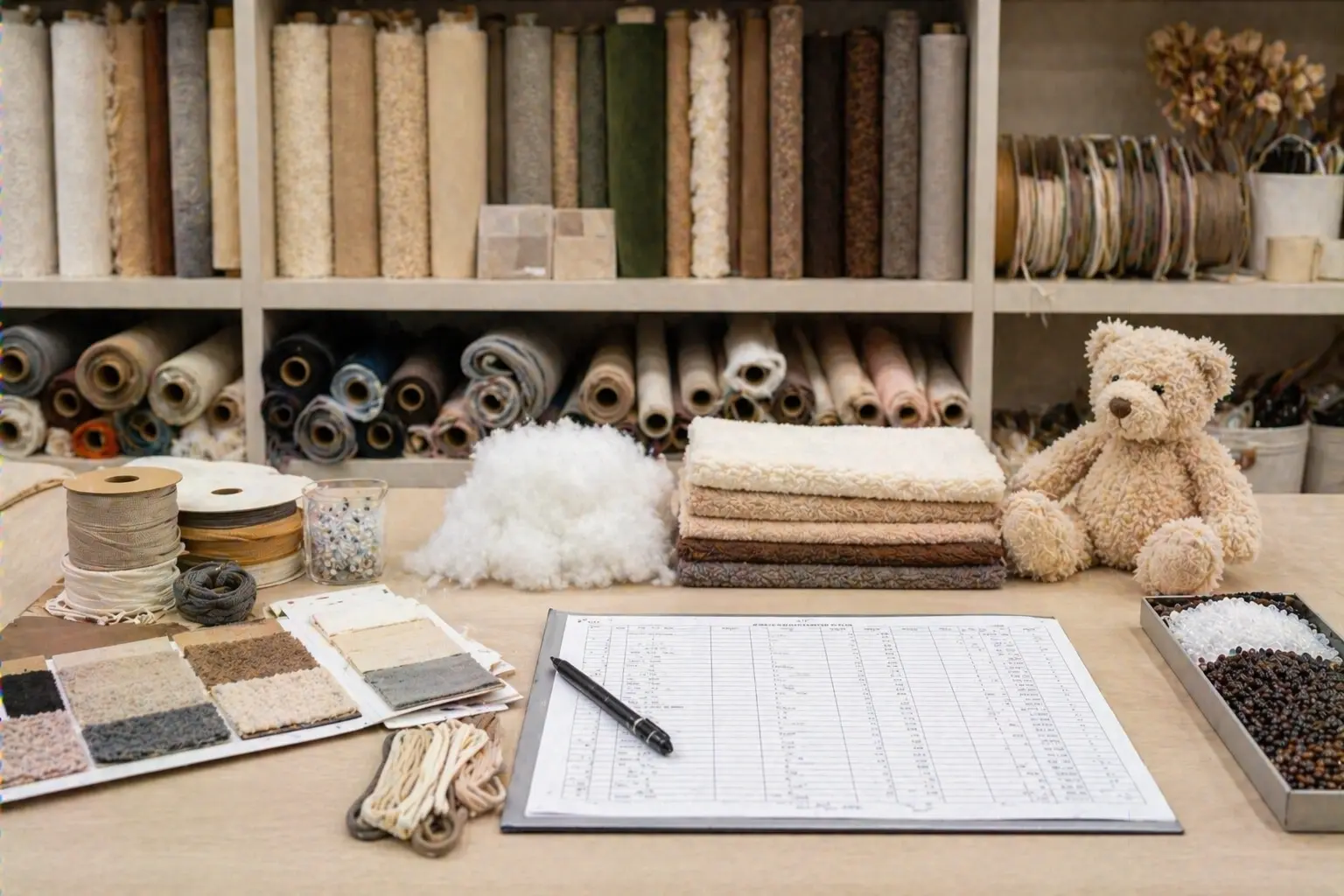
Typical Cost Drivers (Reference)
Reference only. Final breakdown depends on product spec, materials, quantity, packaging, and compliance plan.
Evidence
BOM-based quotation
Cost confirmed by materials + workmanship
Evidence
Sampling notes
Construction notes reduce rework and waste
Cost Optimization (Practical)
- Material standardization: reuse core fabrics across SKUs to stabilize pricing
- Design efficiency: reduce unnecessary panel and seam complexity
- Volume scaling: spread setup costs and improve procurement leverage
- Testing plan alignment: avoid redundant testing while meeting buyer requirements
Quality vs. Cost Positioning
Material Choice Impact on Market Positioning
Mass Market
Stable fabrics, efficient construction, aligned compliance plan
Focus
Efficiency + reliability
Premium Market
Upgraded textures, better rebound, refined finishing
Focus
Feel + detail control
Luxury Market
Specialty fabrics, custom finishing, premium QA steps
Focus
Signature textures
Real Case Studies (Material Decisions)
Examples of how material and craft decisions improved compliance readiness, product feel, durability, and reorder stability.

Premium Bear Collection
EU toy brand • reorder-focused program
Challenge
Achieve a premium hand-feel and consistent appearance while keeping production stable for repeat batches and supporting EU-focused compliance workflow.
Material Approach
Surface
Long pile plush
Fill
Hollow fiber feel-tuned
Details
Embroidery where suitable
Seams
Reinforced stitch spec
Outcome
- Better batch-to-batch feel and visual consistency
- Reduced fuzzing after finishing optimization
- Buyer document pack supported
Key learning: Pile height and backing cloth choice can reduce seam visibility and rework, which matters for stable reorder programs.
Sampling notes
Swatch reference
QC records
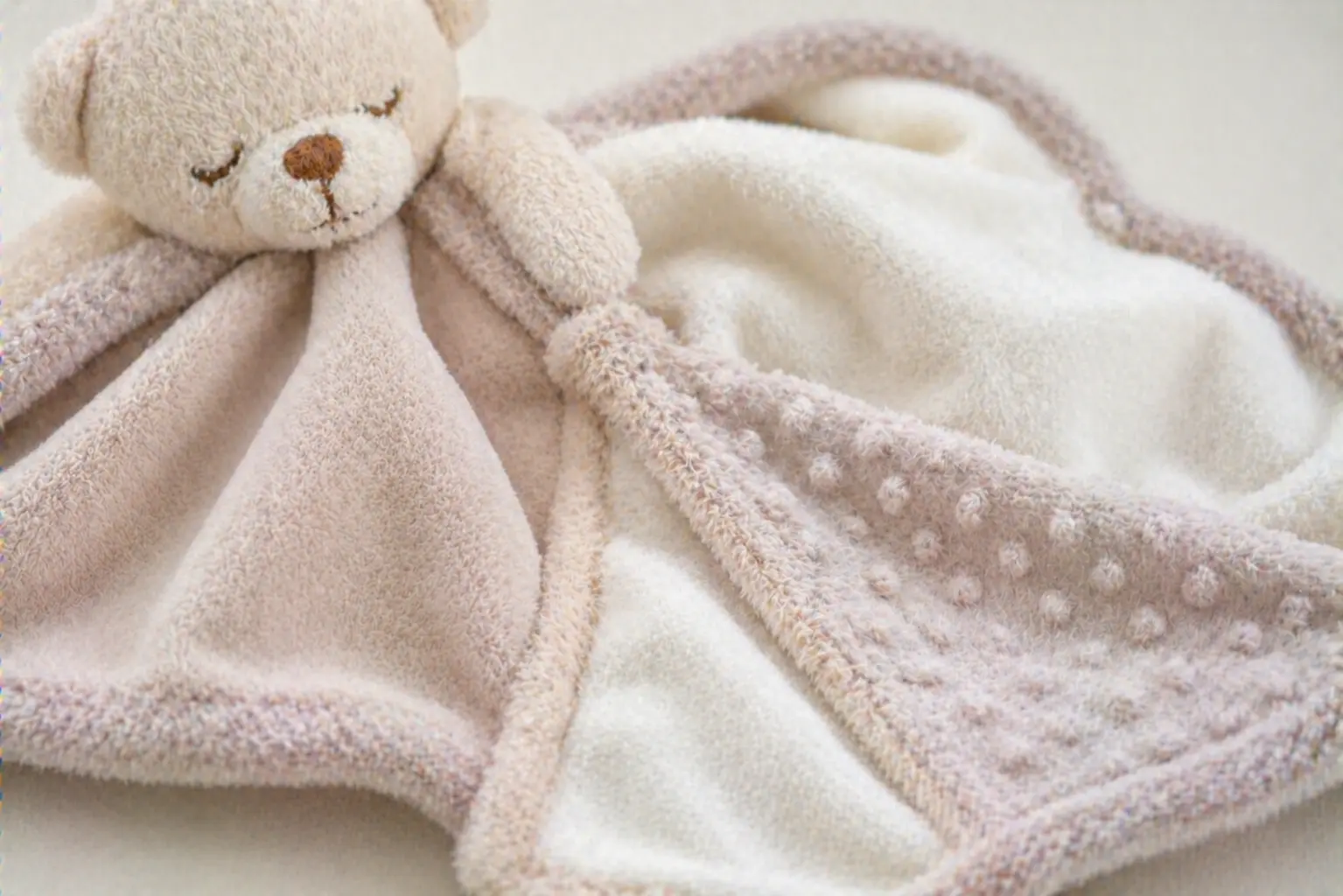
Baby Comfort Blankets
US baby brand • wash-focused program
Challenge
Develop a wash-friendly sensory product while keeping construction and material choices aligned with US market expectations.
Material Approach
Main Fabric
Velboa
Texture Panels
Sherpa / corduroy zones
Trim
Soft edge binding
Fill
Hypoallergenic option
Outcome
- Better wash stability through fabric choice
- Improved sensory value through texture zoning
- Buyer documentation support prepared
Key learning: Multi-texture zoning can raise perceived value without increasing high-risk hard parts when seams and trims are controlled.
Wash test plan
Material MSDS
QC checkpoints
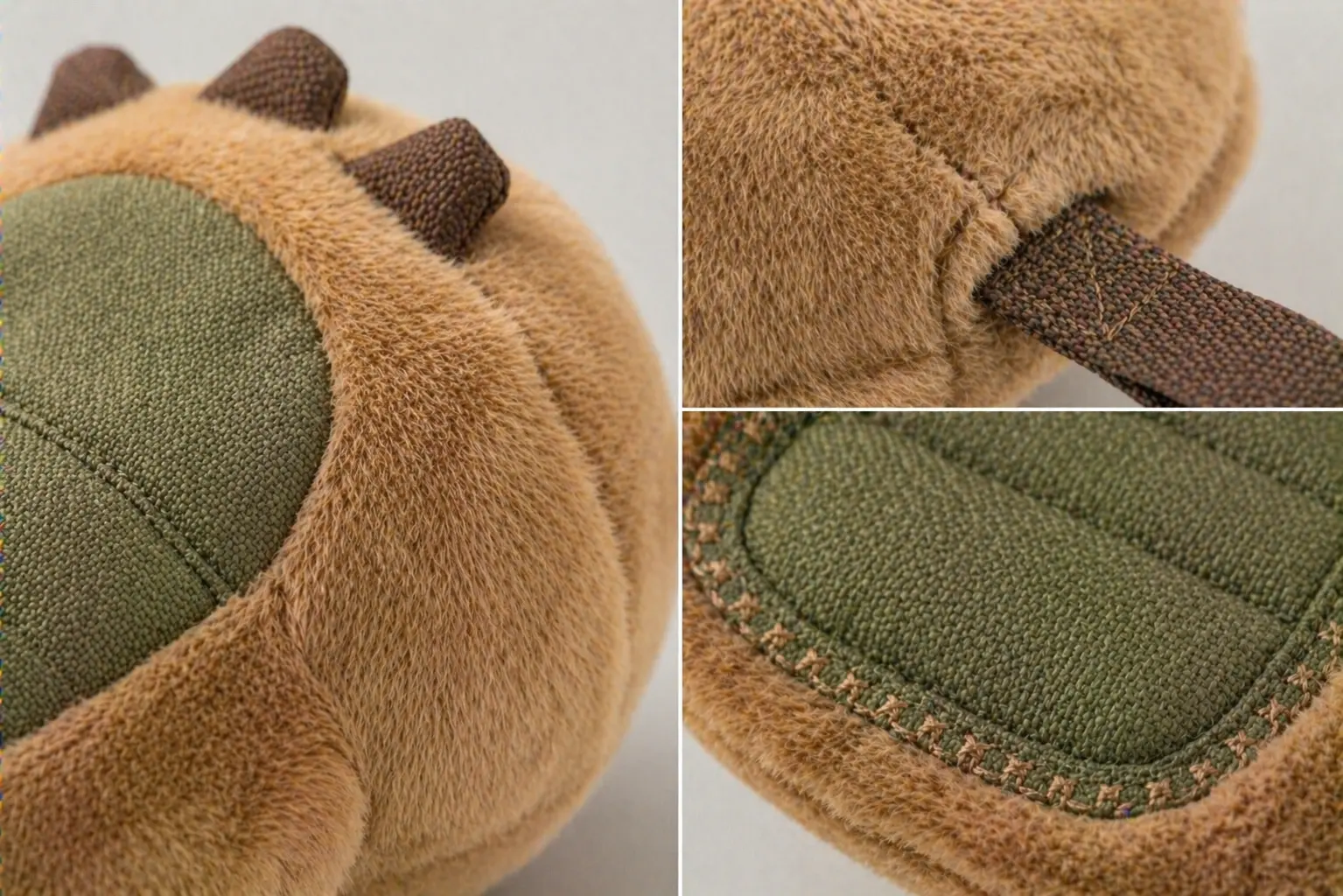
Durable Pet Toy Line
Pet retailer • higher-volume program
Challenge
Improve durability and reduce returns by upgrading fabric strength and seam construction while maintaining production efficiency.
Material + Craft Decisions
- Stronger backing: better seam stability under pull
- Reinforced seams: stitch density + thread choice
- Part reduction: embroidery where possible
- QC focus: critical pull points inspected
Performance Indicators
Market impact: stronger materials and seam spec created a more reliable line for long-term retail distribution.
Seam spec
Material spec
QC checklist
Batch photos
FAQ (Materials & Craft)
Answers to common buyer questions about fabrics, fillings, safety planning, and sampling.
What’s the difference between short pile plush and long pile plush? ⌄
Short pile is usually more stable for printing, cleaning, and efficient production. Long pile offers a more premium feel, but often needs extra finishing steps and more careful seam planning.
How do you choose filling materials for EU and US markets? ⌄
We consider age grade, small-parts risk, seam strength, target feel, and buyer requirements. Then we propose a material + construction plan and support the testing workflow if needed.
Are pellets or beans safe for plush products? ⌄
They can be used when design, containment pouch, seam reinforcement, and labeling align with the target market and age grade. Feasibility should be confirmed during sampling and risk review.
Can you support third-party testing and documentation? ⌄
Yes. Testing and documentation are supported based on project scope. We can coordinate with third-party labs and provide material MSDS and spec sheets as needed.
How do you reduce fuzzing and color inconsistency on plush fabrics? ⌄
We control fabric selection, pile direction, cutting behavior, seam spec, brushing and finishing steps, and confirm color using swatch references and production checks.
Can you recommend materials to hit a target unit cost? ⌄
Yes. Share target market, size, features, and cost target, and we can suggest fabric, filling, and craft adjustments to improve cost efficiency while protecting core quality.
Ready to Optimize Your Material Selection?
Share your target market, age grade, product size, and budget. We’ll help propose a fabric + filling + craft direction with a compliance-aware workflow.
1) Request Swatch Kit
Get fabric and fill recommendations plus a swatch plan for sample development.
Request Swatch Kit2) Compliance Checklist
Align material and construction choices with EU and US buyer expectations.
Get Compliance Help3) Cost Optimization Plan
Hit a target unit cost using practical material and craft trade-offs.
Optimize CostBSCI audited factory • Third-party testing supported • Material MSDS/spec available • Needle detection supported per QC plan
Technical email: engineer@plushmake.com
Back to top