
Baby & Kids Soft Goods Manufacturing
PlushMake supports baby-safe and kids-focused soft goods programs with material control, age-grade-aware design, third-party testing coordination, documentation workflow, and scalable OEM/ODM execution for global markets.
MOQ, lead time, and testing route depend on product type, market, design complexity, and packaging scope.
Technical email: engineer@plushmake.com
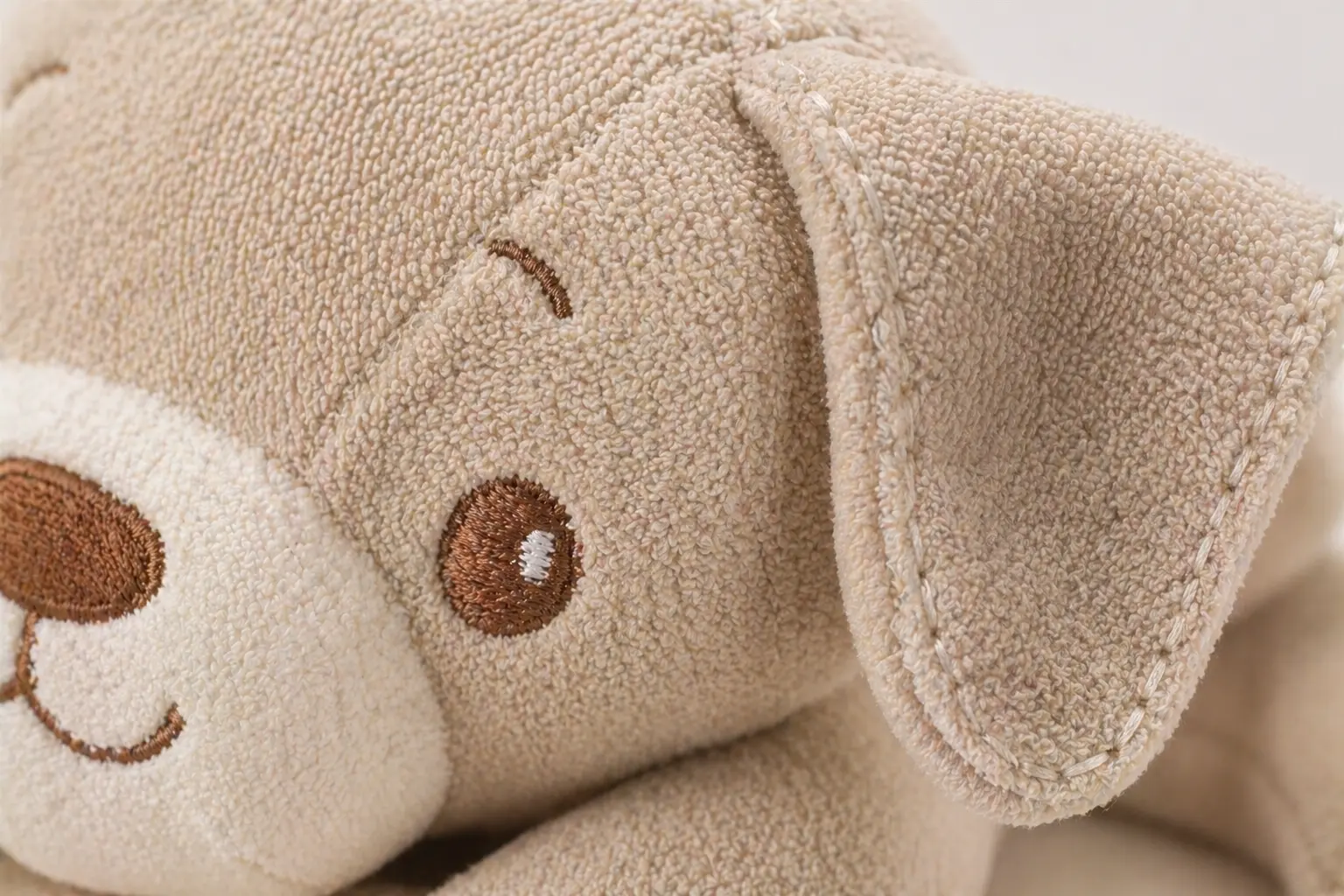


Compliance-Ready Support Routes
We support project preparation for the applicable market route, including material planning, labeling logic, testing coordination, and document organization.
CPSIA / CPC
US children’s products
ASTM F963*
When toy route applies
EN71
EU toy safety support
REACH / SVHC
Chemical compliance support
Needle Detection
When applicable to product route
*Final route depends on product classification, age grade, and buyer or retailer requirements.
Built for Buyers Who Need More Than Just “Cute Products”
Baby and kids soft goods are different from general plush products. Buyers often need stronger control over materials, age-grade assumptions, washability, packaging instructions, and the compliance route before launching.
This page is structured to help brand teams, sourcing managers, distributors, and retailer programs review that workflow more clearly before sample and production decisions are made.
Baby Brands
Need softer materials, safer structures, washability, and stronger document support.
Children’s Programs
Need age-grade planning, educational value, and category-appropriate development.
Retail Buyers
Need packaging, warnings, labels, and presentation ready for their channel.
Distributors
Need scalable product logic and clearer category differentiation for resale.
Specialized Baby Product Lines
Safety-conscious soft goods designed for infant and child use, with scalable OEM/ODM development and compliance-aware execution.
Comfort Blankets & Security Items
Loveys, comforters, and soothing comfort items with soft-touch fabrics, reinforced construction, and age-conscious design direction.
- Wash-oriented construction
- Embroidered / low-risk detailing
- Packaging and age-grade support
Typical MOQ: 5,000 pcs
Depends on fabric, embroidery, and pack-out requirements
Educational Soft Books
Fabric books with tactile elements, sensory inserts, early-learning themes, and structure designed for safer child interaction.
- Sensory textures and sound options
- Page, seam, and binding reinforcement
- Theme customization by market
Typical MOQ: 3,000 pcs
Depends on page count, inserts, and customization scope
Baby-Safe Soft Toys
Infant and toddler plush products designed with low-risk detailing, stronger seam control, and age-grade-aware material planning.
- Embroidered features
- Stress-point seam control
- Market-specific label preparation
Typical MOQ: 2,000 pcs
Depends on size, materials, structure, and packaging
Get a Safety Pack Preview
Download a redacted preview pack to understand our documentation workflow, typical report formats, labeling checklist, and how we prepare buyer-facing materials for safety-related projects.
- CPC sample (redacted) + basic labeling checklist
- EN71 report sample pages (redacted)
- REACH / SVHC declaration template
Download Preview Pack
Enter your business email to receive the preview link.
Request a Quote (Fast Screening)
Share the core details. We will review feasibility, likely compliance route, and provide a clearer quotation basis for qualified projects.
Materials & Safety Controls
A baby soft goods project needs material, structure, and labeling decisions that are more controlled than standard promotional plush development.
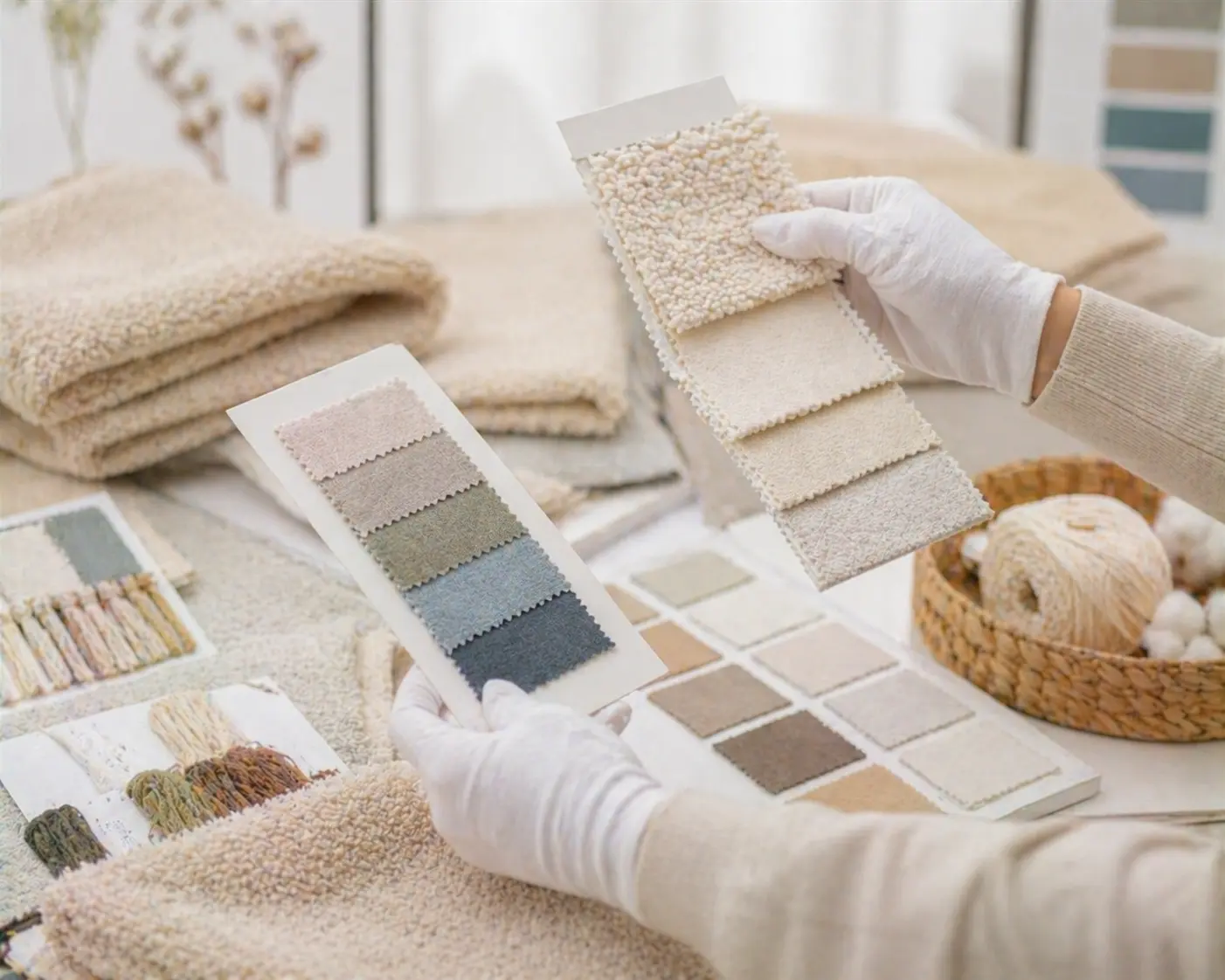
Fabric & Trim Selection
Organic cotton, bamboo blends, hypoallergenic directions, and fabric routes aligned with your target market, wash expectations, and compliance path.
Filling and Insert Planning
Filling options selected based on softness, odor control, washability, structural performance, and documentation availability.
Construction Risk Control
Reinforced seams, embroidery in place of harder parts where suitable, and design review focused on safer infant/toddler use.
Age Grading & Design Checklist
0–6 Months
Soft-touch construction, low-risk detailing, and packaging instructions aligned to intended use.
✓ Small-part risk minimized by design
6–18 Months
Sensory textures and simple interaction features should still remain aligned with age-grade guidance.
⚠ Structure and trim choices matter more
18+ Months
Slightly broader design flexibility, but still requires clear warnings, labeling, and performance checks.
ℹ Label and usage clarity still important
Common risk items we try to avoid
- • Loose plastic eyes, beads, detachable decorations
- • Unknown dyes, coatings, or unsupported inserts
- • Weak seams at stress points like ears, tails, and bindings
Regulatory Compliance Support
We support the preparation workflow for common baby and children’s product routes, based on market, product classification, and buyer requirements.
United States Market
CPSIA + CPC + toy route support when applicable
Lead & Heavy Metals
Material-level compliance support aligned to children’s product routes
Phthalates (When Relevant)
We avoid higher-risk material inputs where possible by default
ASTM F963 Route
Typically used when the item is treated as a toy product
CPC Workflow
Supporting records and document templates can be organized for buyer use
European Union Market
EN71 + REACH + labeling support
EN71 (Part 1–3)
Mechanical, flammability, and chemical-related preparation route where relevant
REACH / SVHC
Restricted substance support and supplier material declarations
Labeling Support
Fiber content, care labels, warning logic, and packaging-facing info
Documentation Workflow
Buyer-facing records can be organized as part of the project file
Additional Markets Supported
Canada
Health Canada support route
Australia
ACCC alignment support
Japan
ST route support where applicable
United Kingdom
UK labeling and route support
Quality Control Workflow
Quality control for children’s products should begin before bulk shipment, not only at final inspection.
Incoming Materials
Fabric, trim, and batch-level verification based on approved project standards.
In-Line Checks
Critical checkpoints for seams, embroidery, stress points, and trim handling.
Needle Detection
Needle detection process used where applicable in the agreed QC flow.
Final AQL Review
AQL-based final inspection plus packaging, labels, and carton verification.
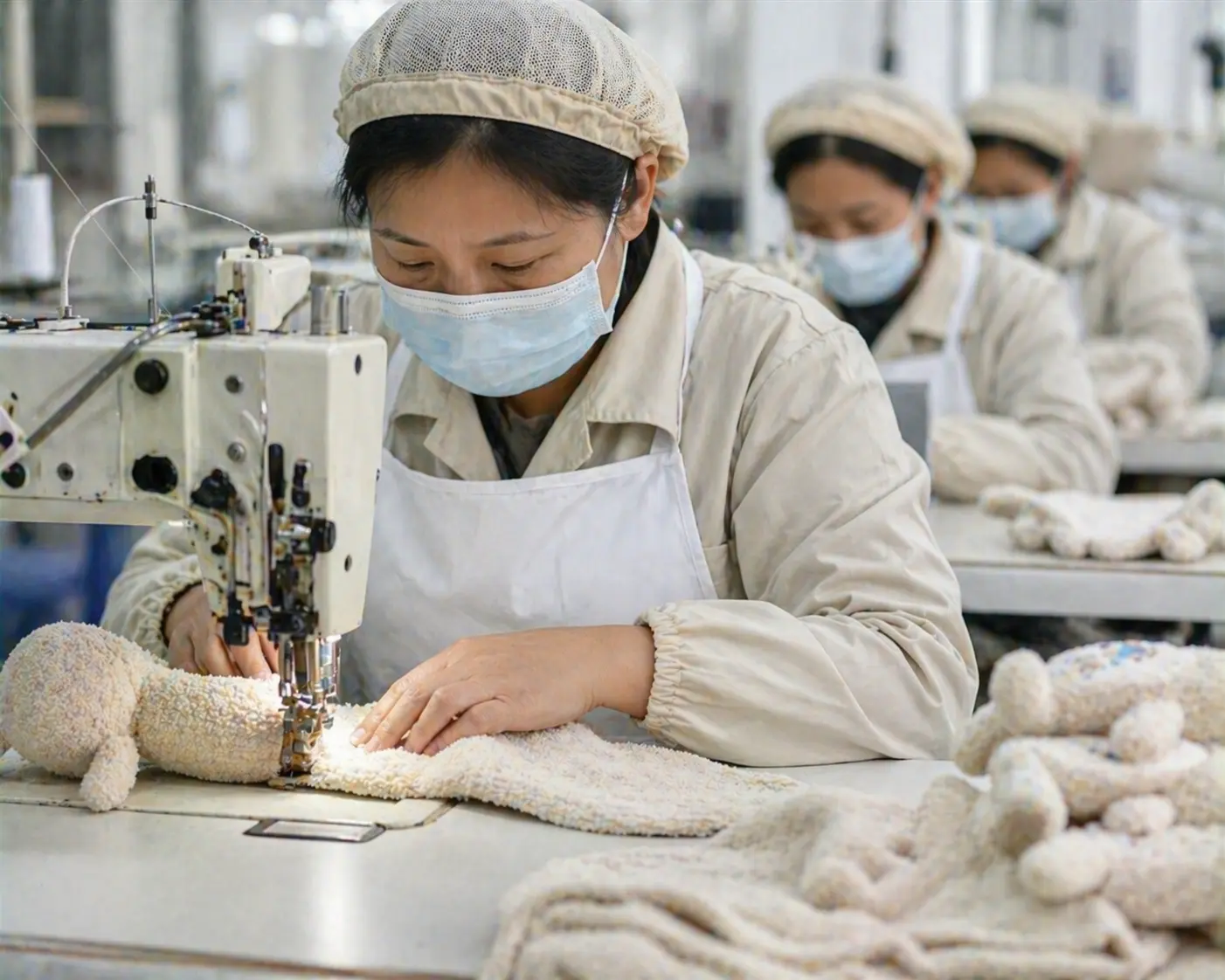
In-Line Construction Control
Seam strength, embroidery, and attachment-area checks
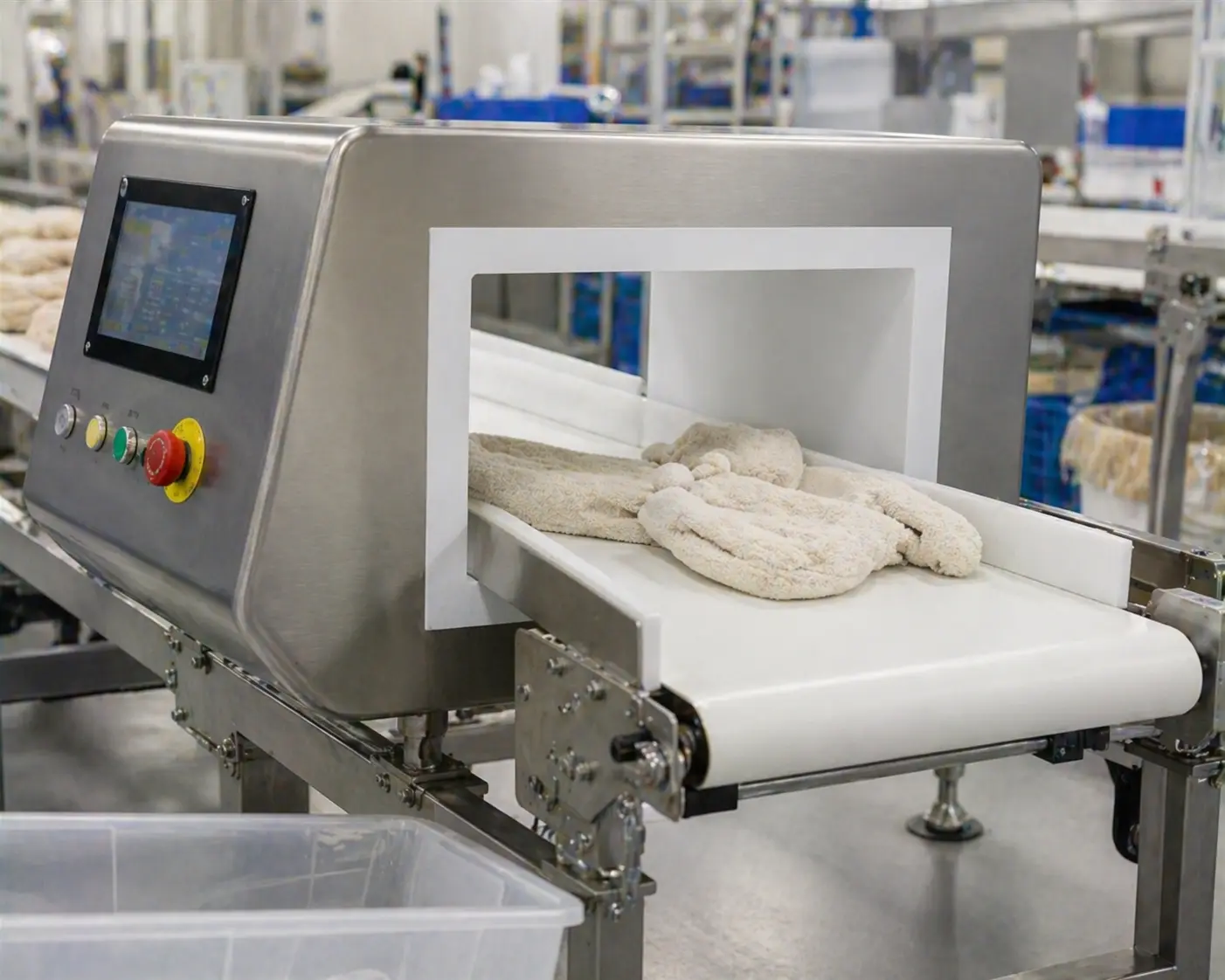
Needle Detection Station
Metal contamination control as part of the QC route
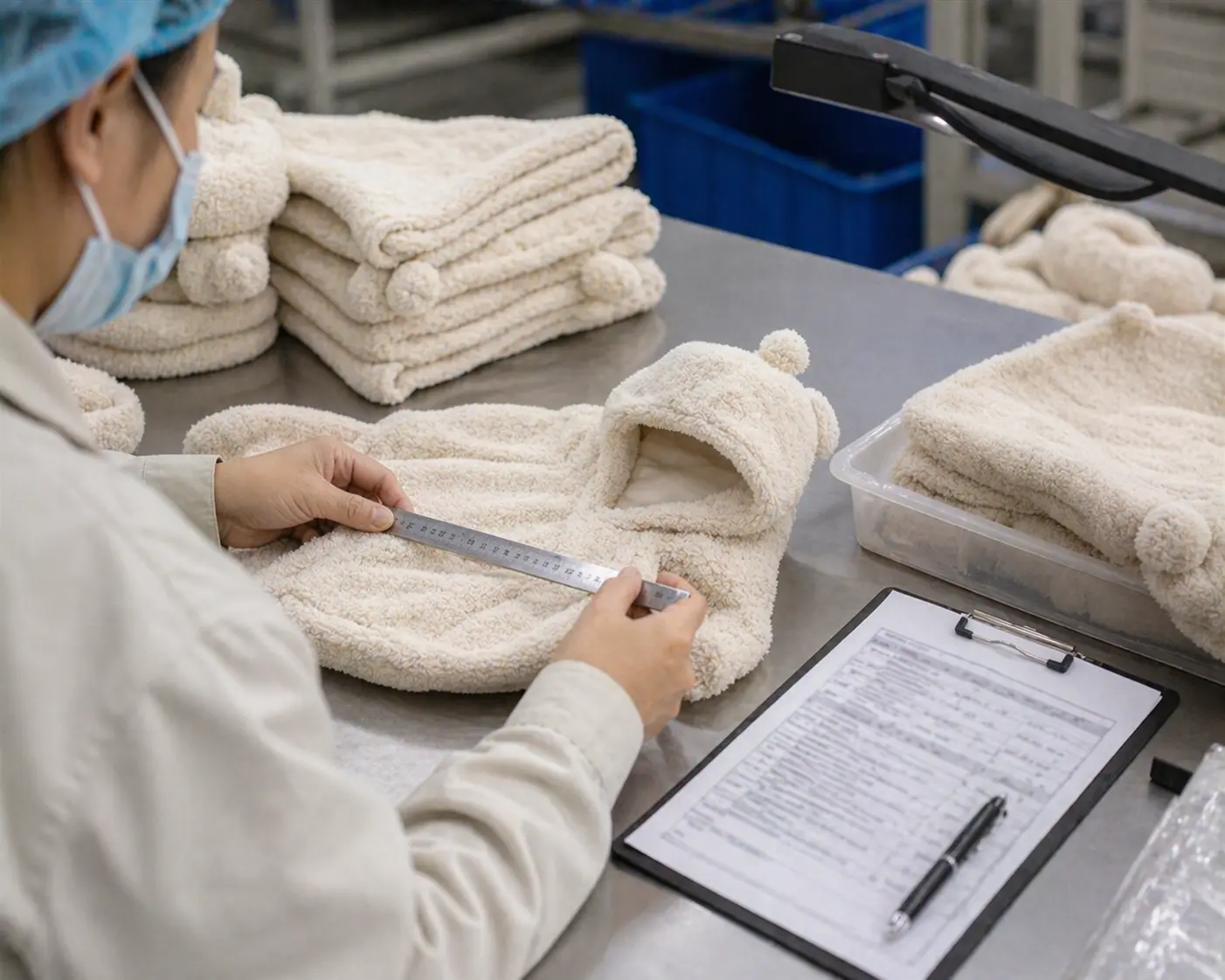
Final AQL Inspection
Sampling, labels, packaging, and carton verification
Frequently Asked Questions
Quick answers to common questions from baby brands, distributors, and private label buyers.
What is the minimum order quantity (MOQ)?
Can you do embroidered eyes and avoid plastic parts?
Do you provide CPC / EN71 reports?
What is the lead time?
Can you help define the compliance route for my product?
Do you accept rush orders?
Ready to Build Your Baby Product Line?
Share your project brief, market, age grade, quantity, and packaging expectations. We’ll help review the safest and most workable route before production starts.
Typical MOQ reference
Typical production days
Needle detection & AQL route
Technical email: engineer@plushmake.com
Baby & Kids Soft Goods
Typical MOQ from 2,000 pcs • Compliance path reviewed during screening