
MOQ & Costing for Plush OEM/ODM Projects
Understand how MOQ, sampling setup, materials, packaging, compliance scope, and production complexity affect your unit cost — so you can launch with a realistic quantity and a workable budget.
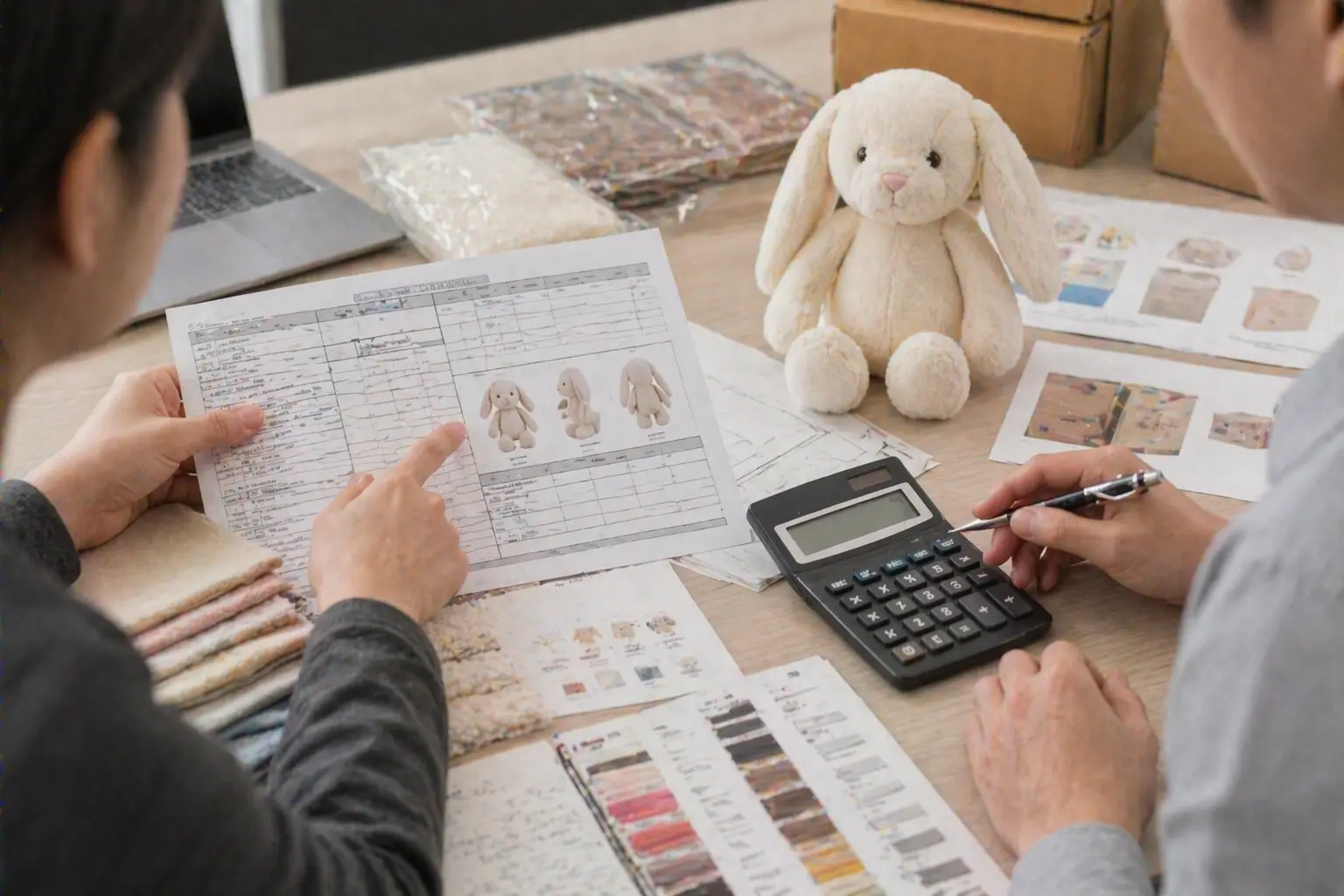
Why MOQ Matters in Plush Manufacturing
MOQ is where setup, materials, labor, QC, and logistics start to make sense commercially — while still keeping product quality and compliance under control.
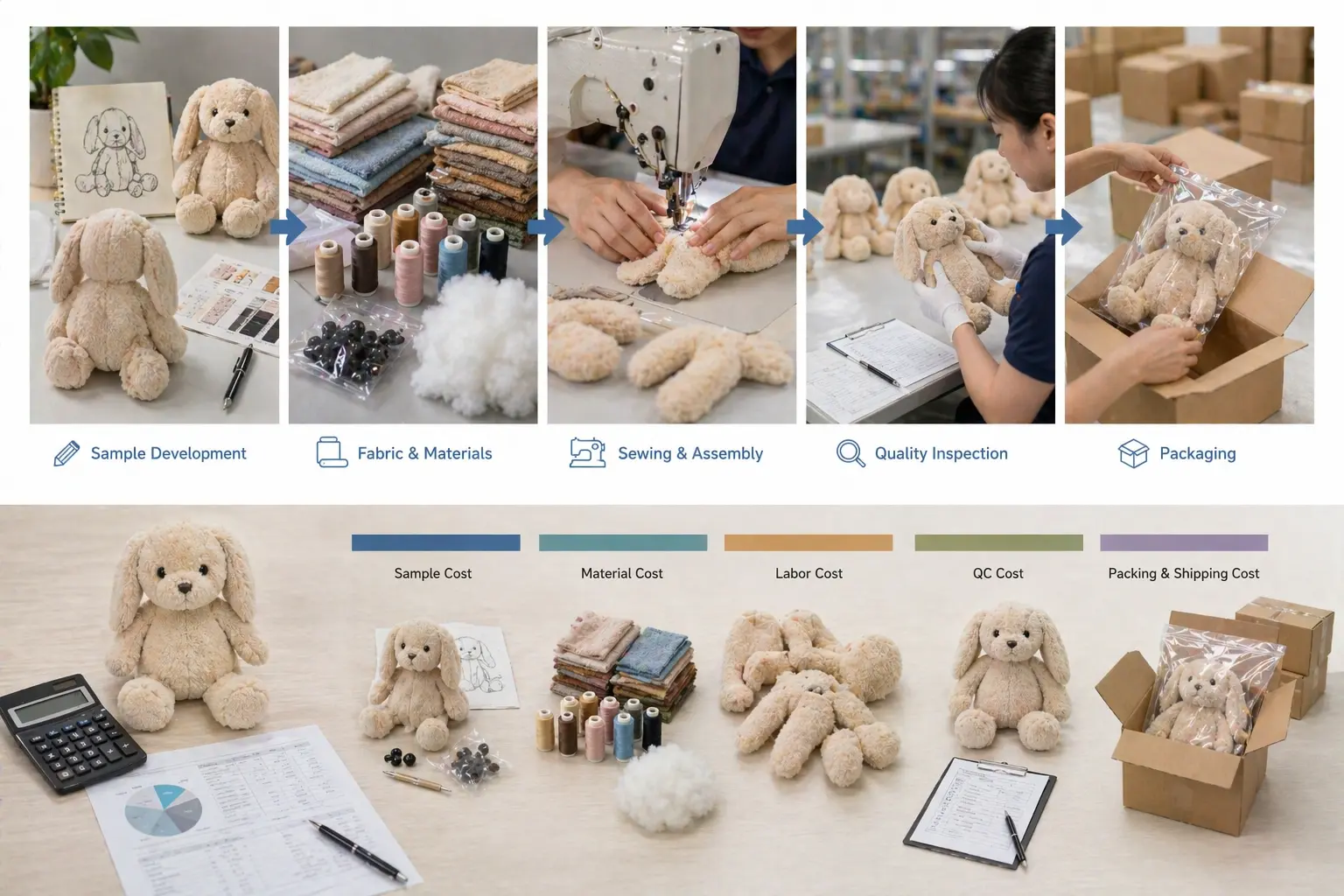
What Drives the Cost Structure
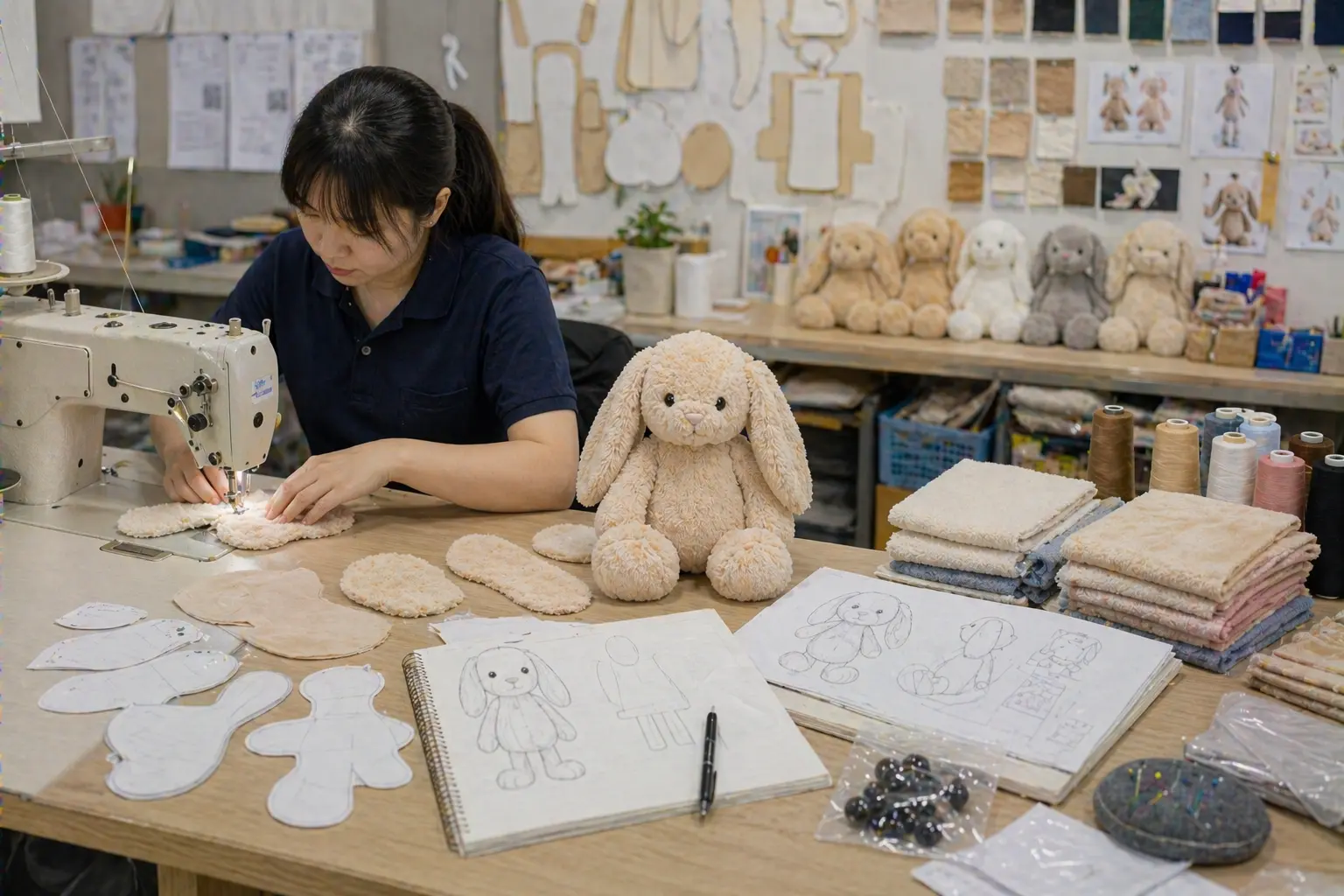
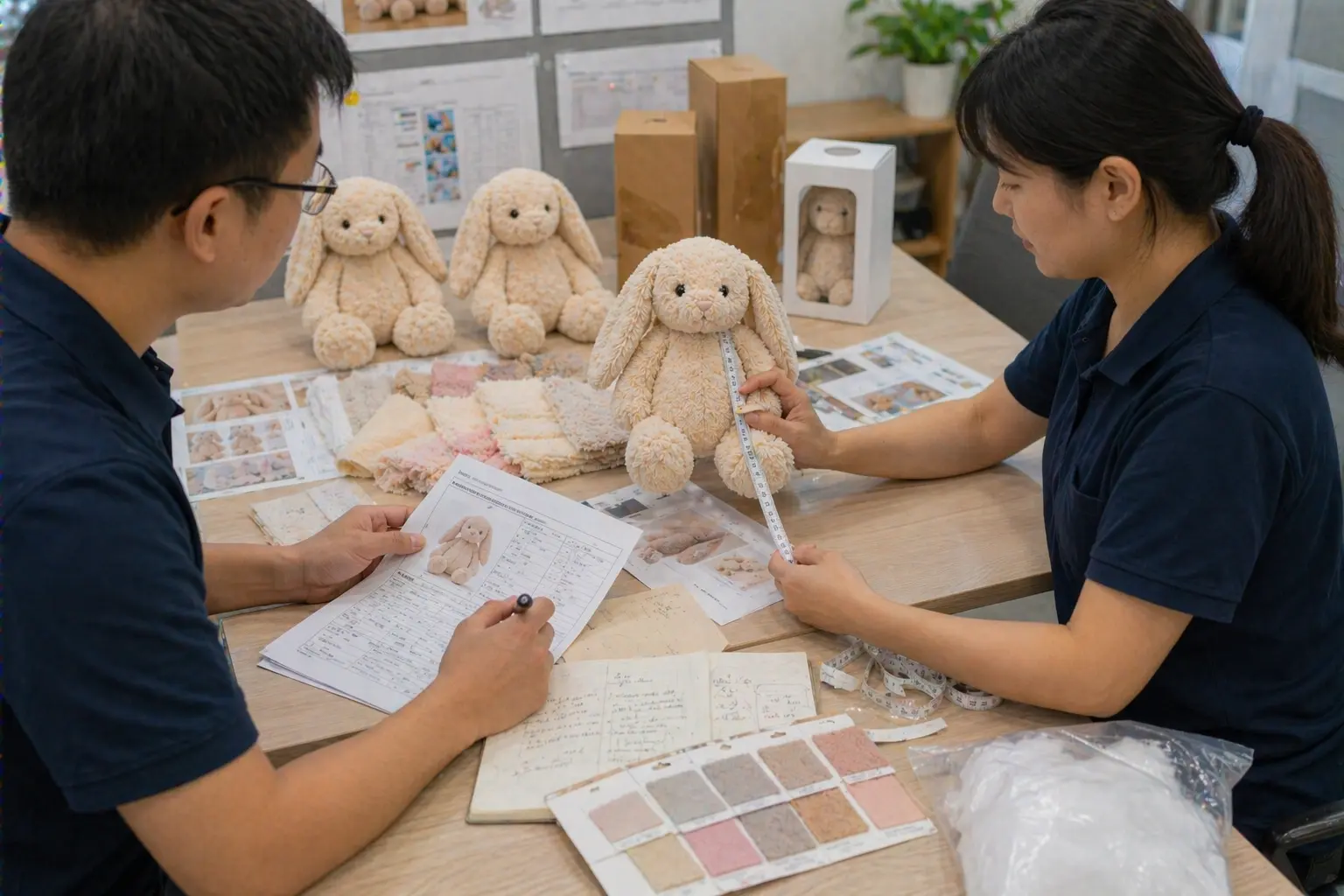
Includes development workflow such as pattern setup, prototype rounds, embroidery program preparation, placement testing, and production readiness checks.
Main drivers include plush size, fabric type, embroidery or print coverage, accessories, sewing complexity, filling, and retail packaging details.
Incoming material inspection, in-line checkpoints, final AQL sampling, rework control, and pack-out review are part of professional production cost.
Labeling, carton spec, insert requirements, lab testing support, document preparation, and shipment mode all affect the total landed plan.
Key Buyer Insight
Low quantity does not automatically mean low budget. In plush OEM/ODM, low volume often means high per-unit burden because fixed setup and process costs are spread across fewer units.
Note: All figures and ranges on this page are reference values only. Final pricing depends on product structure, BOM, workmanship, packaging, compliance scope, and production schedule.
MOQ Tiers & Pricing Logic
A practical closed-loop view of how quantity tier, unit cost, one-time setup, and total estimated order value usually relate in plush production.
| Quantity Tier | Unit Cost (EXW, est.) | One-time Setup (est.) | Estimated Order Value | Typical Use Case |
|---|---|---|---|---|
|
1,000 pcs
Typical entry MOQ
|
$4.5–$7.5
Small run, less setup absorption
|
$800–$1,500
Pattern + sample + line prep
|
$5,300–$9,000
Reference only, before shipping
|
New concept validation, smaller launch, early retail test |
|
3,000 pcs
Recommended working tier
|
$3.8–$6.2
Better yield and line efficiency
|
$800–$1,500
Setup better amortized
|
$12,200–$20,100
Reference only, before shipping
|
Stable retail launch, multi-channel launch, better margin planning |
|
5,000+ pcs
Volume tier
|
$3.2–$5.5
Higher efficiency, stronger leverage
|
$800–$1,500
Fixed setup becomes smaller share
|
$16,800–$29,000
Reference only, before shipping
|
Distribution, seasonal rollout, replenishment programs |
Want a More Accurate Cost Range?
Send your product size, target market, reference image, materials preference, and packaging requirement. We’ll reply with a more practical MOQ recommendation and quote direction.
Attaching a sketch, artwork, or tech pack usually improves quote accuracy.
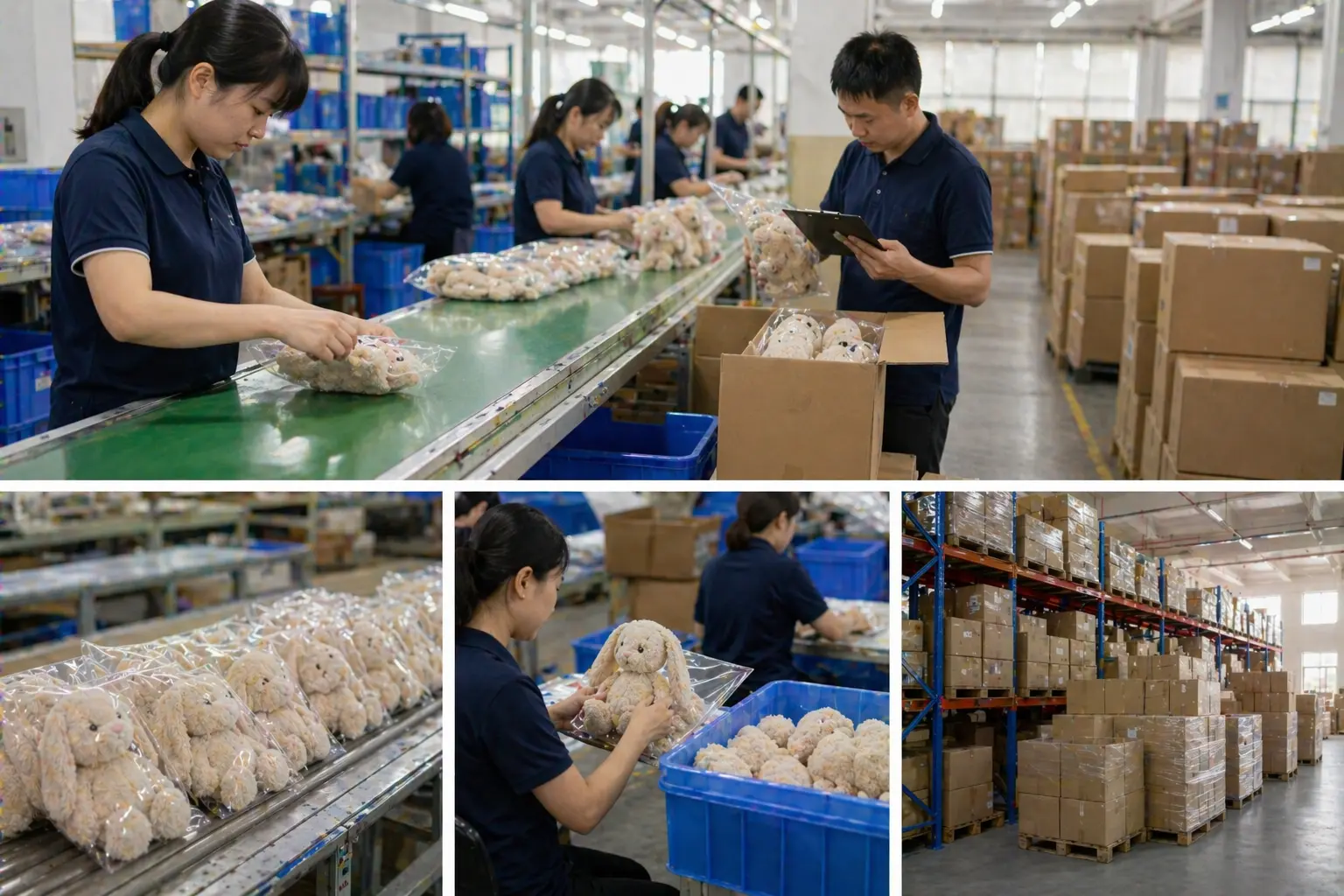
Proof, QC & Compliance Support
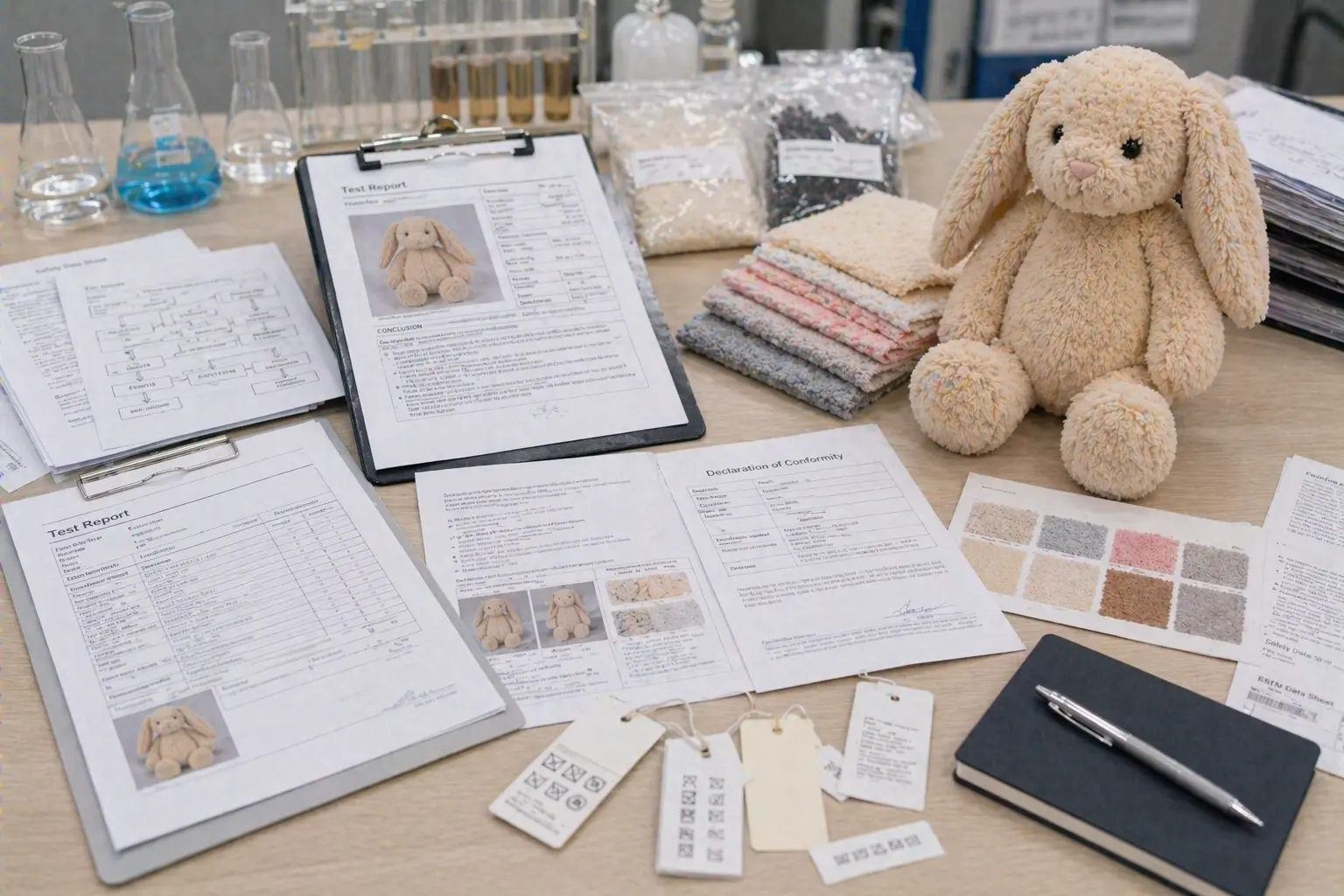
Serious buyers want documents and process visibility. These are the types of proof points you can ask for during quoting and production planning.
Audit Support
Useful for buyers that need factory audit visibility as part of responsible sourcing review.
Request audit info →QC Checkpoints
Incoming material, in-line process control, and final AQL sampling matter for cost and consistency.
View QC process →Testing Support
Compliance scope planning for EN71, ASTM F963, CPSIA, labels, and document requirements.
Plan compliance →Material Declarations
Fabric, filling, inks, and trims can affect both compliance path and final costing logic.
Request docs →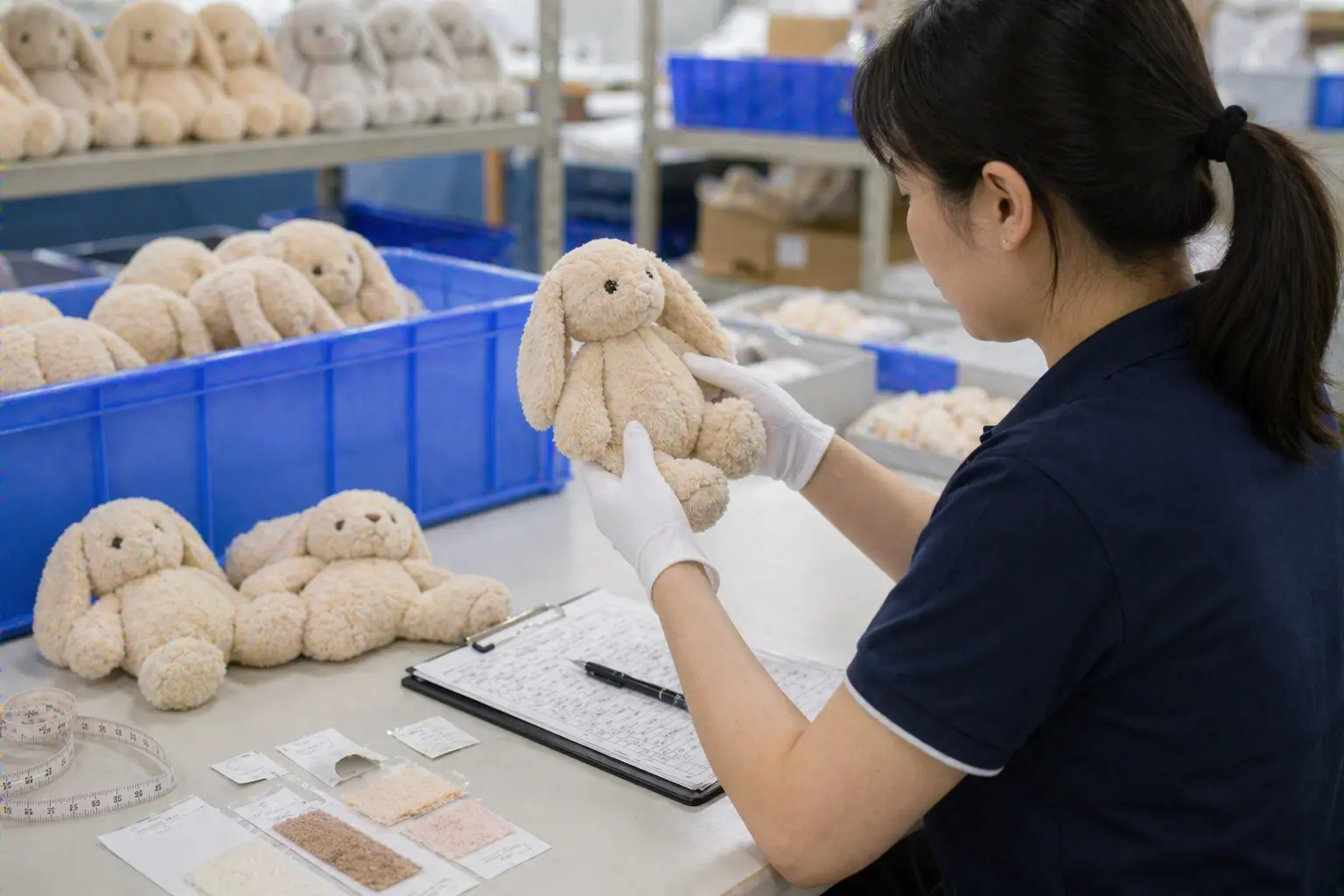
Common MOQ Misconceptions
Many budget mistakes come from misunderstanding how plush manufacturing economics actually works.
Myth: Smaller quantity should mean lower unit cost
Low quantity often means setup and process costs are spread over too few units, so the per-unit price rises quickly.
Reality: Small runs usually carry higher unit burden.
Myth: MOQ is just a factory restriction
MOQ is tied to material purchase logic, line efficiency, sampling effort, and professional QC viability.
Reality: MOQ is part of quality and cost control.
Myth: I can test the market with true factory pricing at 50–200 pcs
Very small quantities behave more like development or pilot production than normal OEM manufacturing.
Reality: Prototype and pilot units cost much more per piece.
Myth: Digital decoration removes setup cost completely
Even when decoration method changes, the project still needs sampling, process alignment, QC standards, and pack-out preparation.
Reality: Setup may change form, but it rarely disappears.
Legitimate Ways to Reduce Costs
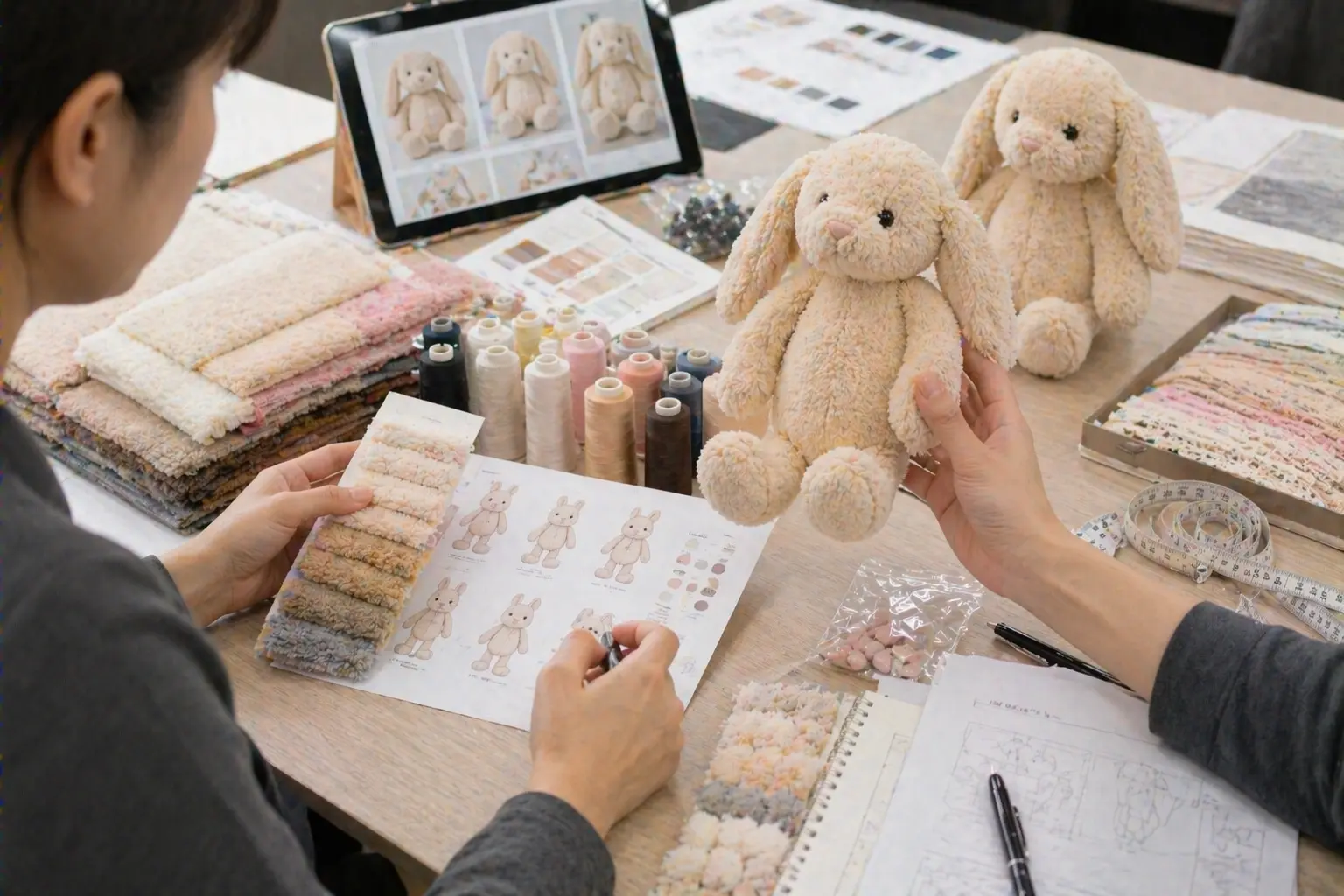
Smart savings come from better design, better planning, and better production fit — not from cutting critical quality or compliance steps.
Optimize Product Complexity
- •Reduce unnecessary fabric colors or extra panels
- •Use embroidery instead of hard accessories where suitable
- •Standardize sizes across a collection when possible
- •Confirm packaging earlier to reduce rework
Increase Effective Volume
- •Move closer to 3,000+ pcs when feasible
- •Bundle SKUs that share fabric or trims
- •Plan replenishment instead of isolated small orders
- •Align launches with practical production slots
Choose Materials More Strategically
- •Use more available fabric bases where possible
- •Balance softness, durability, and washability
- •Avoid unnecessary premium add-ons early in launch stage
- •Define US/EU compliance scope before material finalization
What Usually Backfires
Unrealistic Cost Expectations
- • Expecting large-volume economics at very low MOQ
- • Demanding premium material with basic-tier budget
- • Adding many details without expecting cost impact
Risky Shortcuts
- • Cutting QC or testing support to save money
- • Using unclear material sources for children’s products
- • Compressing production schedule beyond safe execution
Latest MOQ & Costing Insights
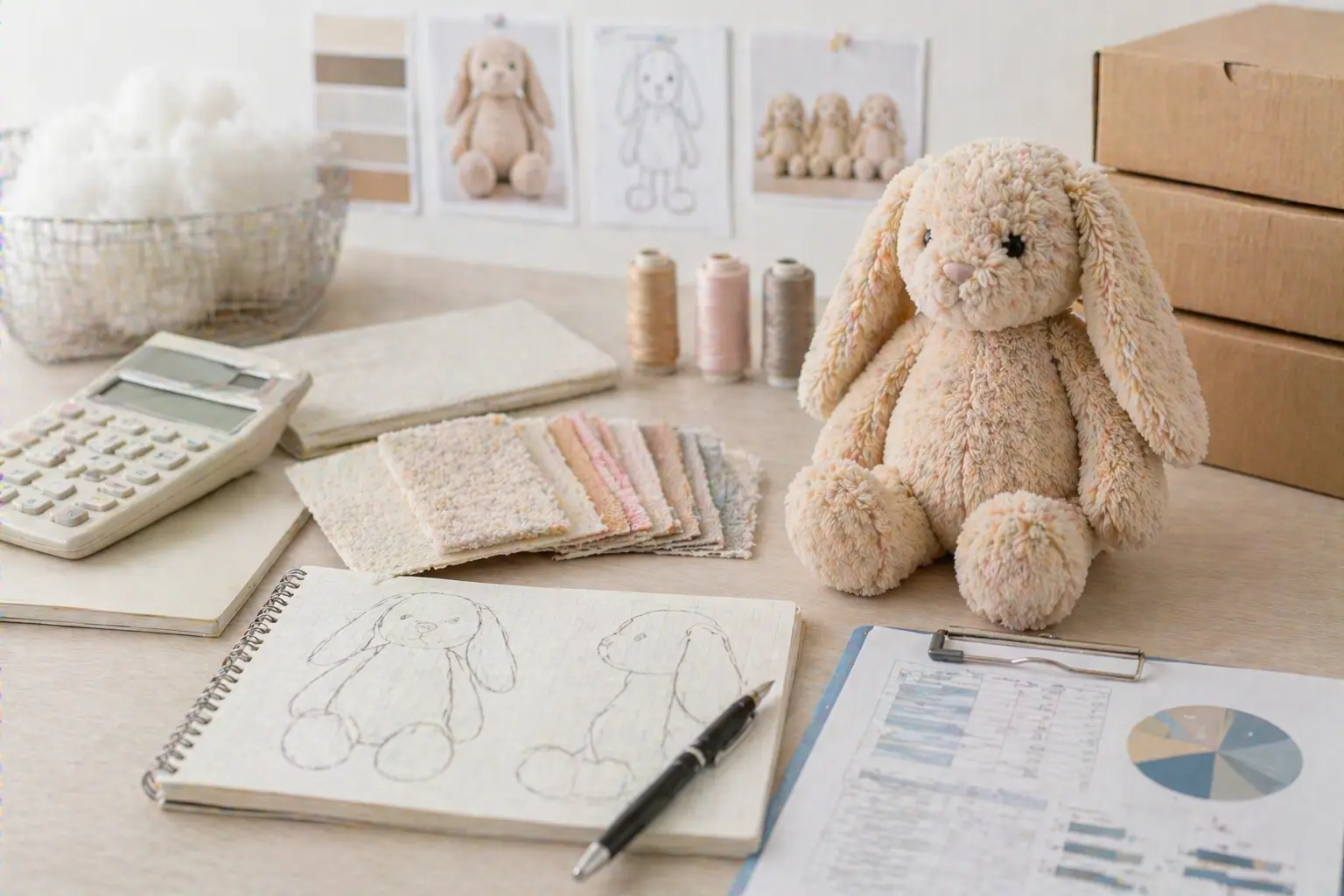
Articles about manufacturing economics, sample budgets, compliance-related cost, and quoting logic.
How much does it cost to manufacture plush toys?
Struggling to get a clear price for your custom plush t […]
How do I ensure the quality and safety of wholesale plush toys?
Worried your wholesale plush toys could harm your brand […]
How Can Plush Products Boost User Goodwill for Corporate Gifts?
Tired of giving corporate gifts that feel cheap and are […]
FAQ: MOQ & Costing
Clear answers to the pricing questions buyers ask most often before moving into sample or bulk production.
Can you do 200–500 pcs?
What is included in setup cost?
Can I mix SKUs to meet MOQ?
Does compliance testing increase cost?
What affects unit cost the most?
How fast can you quote?
Ready to Get a Practical Cost Estimate?
We can help with MOQ recommendation, setup logic, cost drivers, and compliance direction based on your actual project brief.
Email: sales@plushmake.com
Supporting materials can be discussed as needed: sample plan, QC checkpoints, material declarations, and compliance-related workflow.