
Struggling to get a clear price for your custom plush t […]
Safety & Compliance Hub
Plush Toy Safety & Compliance Guidance
Understand EN71, ASTM F963, CPSIA, labeling, traceability, and market-specific compliance workflow for plush toy projects.
Technical inquiries:
engineer@plushmake.com
EN71 / CE
EU and UK compliance direction
ASTM + CPSIA
US testing and document workflow
Doc Pack
Reports, labels, and traceability planning
Not sure which standard applies?
Send your target market, product type, and age grade. We will help map the likely compliance direction and document needs.
Major Safety Standards
A practical overview of the compliance frameworks most commonly involved in plush toy projects across major markets.
EN71 (EU / UK)
Covers mechanical and physical safety, flammability, chemical migration, labeling, and age grading for the European market.
- EN71-1 mechanical and physical
- EN71-2 flammability
- EN71-3 chemical migration
ASTM F963 (USA)
The main US toy safety framework, covering use and abuse tests, small parts hazards, sharp points, and labeling rules.
- Use and abuse tests
- Small parts and attachment strength
- Safety labeling expectations
CPSIA (USA)
Adds chemical and documentation requirements for children’s products, including lead, phthalates, tracking labels, and CPC workflow.
- Lead and phthalates limits
- Third-party testing path
- CPC and tracking label support
Compliance works best as a project system
The most efficient path is to align product design, materials, age grade, label content, and testing direction early, before sample approval and bulk production.
Deliverables
Test reports, declarations, labels, and traceability references
Controls
Material approval, supplier checks, and production consistency
Risk hotspots
Small parts, seams, trims, inks, and age-grade mismatch
Speed up
Use a market checklist and sample test plan early

Evidence pack
Reports, labels, and traceability
Quick Comparison: What Each Market Expects
A simple internal reference table buyers can use when planning market entry and compliance workflow.
| Market | Core Standard | Common Tests | Must-have Docs | Notes |
|---|---|---|---|---|
| EU | EN71 + CE | Mechanical, flammability, chemical migration | DoC, test reports, labeling and age grade | Also review REACH-related chemical scope where applicable |
| UK | UKCA / UK compliance path | Usually aligned with EN71-related scope | UK labeling and document pack | Confirm current marking and importer requirements by product type |
| USA | ASTM F963 + CPSIA | Use and abuse, small parts, chemical limits | CPC, test reports, tracking label | Age 0–3 and detachable parts risk is especially important |
| Canada | Canada toy regulations | Mechanical, flammability, chemical scope | Docs and labeling | Bilingual labeling may be needed depending on pack format |
| Australia | AS/NZS ISO 8124 direction | Mechanical, flammability, chemical scope | Supplier documentation and reports | Check market-specific guidance by category before shipment |
Common Compliance Pitfalls
The most common failures usually come from early project decisions, not only from lab testing itself.
!
Inadequate Age Grading
Incorrect age recommendations can trigger safety mismatches, labeling issues, and retailer concerns.
Fix: Use early risk assessment, product review, and correct warning/label setup.
!
Chemical Non-Compliance
Materials, inks, trims, or accessories may exceed restricted substance limits for the target market.
Fix: Use approved material lists, supplier controls, and testing planning before bulk production.
!
Missing Documentation
Projects may pass testing but still face onboarding or customs issues if the document pack is incomplete.
Fix: Prepare reports, declarations, labels, and traceability references by SKU and market.
!
Market-Specific Oversights
A product prepared for one market may still need different labeling or compliance handling elsewhere.
Fix: Map standards and document needs by destination market before launch.
Evidence Buyers and Retailers Usually Ask For
Good compliance support means having the right documentation, label logic, and traceability path ready when customers, retailers, or customs request them.
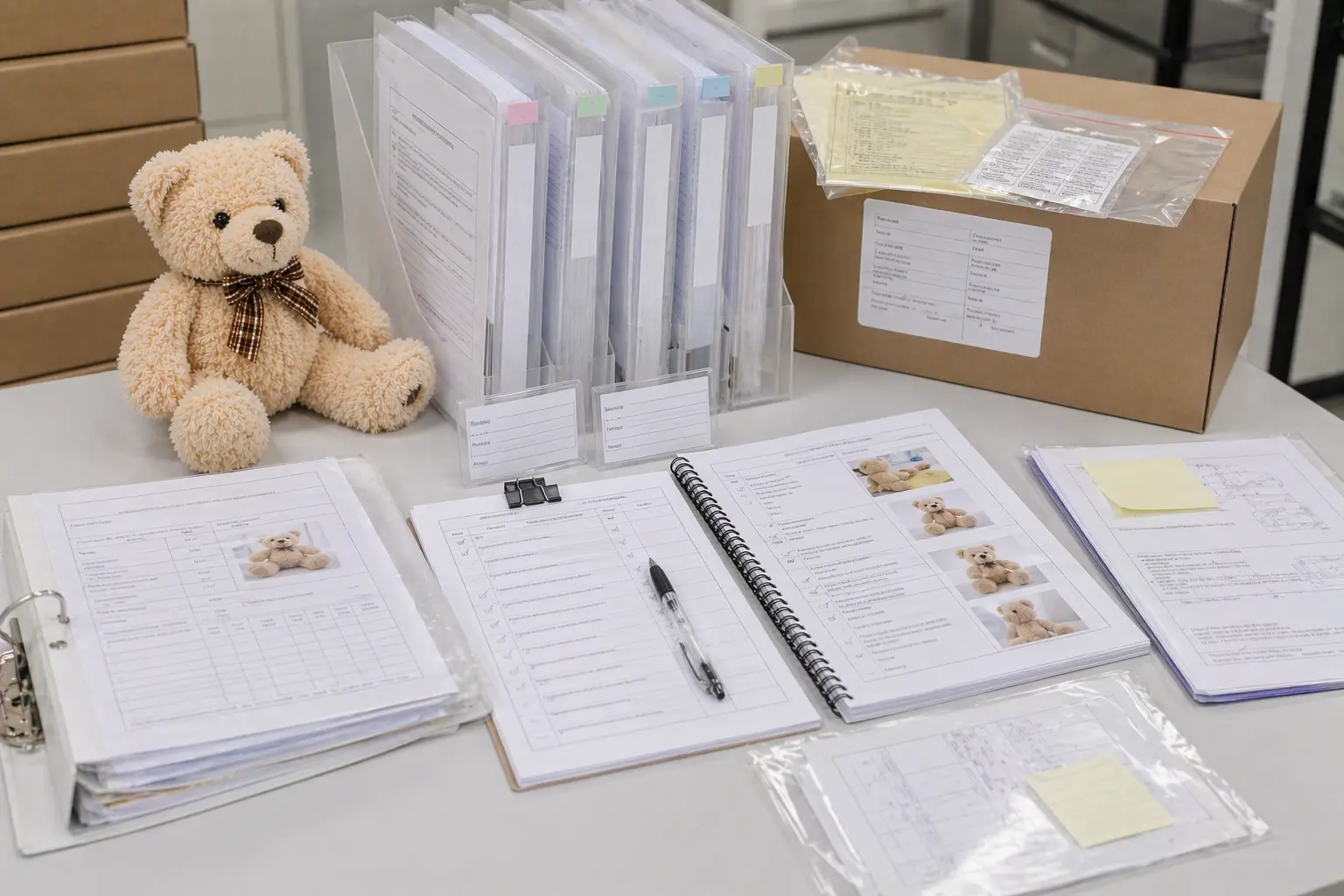
Compliance Document Pack
Test reports, declarations, label checklist, material references, and document organization support by market scope.
Material Control and Traceability
Approved material path, supplier confirmation, batch records, and production traceability help reduce risk in repeat orders.
Pre-check Before Bulk Production
A structured review of trims, embroidery, seams, labels, and age-grade-related risks helps reduce avoidable failures later.
Technical support email:
engineer@plushmake.com
Doc Pack
Checklist-ready
Latest Compliance Insights
Updates, checklists, labeling guidance, and practical manufacturing advice.

•
7 min read
How do I ensure the quality and safety of wholesale plush toys?
Worried your wholesale plush toys could harm your brand […]
•
8 min read
How Can Plush Products Boost User Goodwill for Corporate Gifts?
Tired of giving corporate gifts that feel cheap and are […]
FAQ: Safety & Compliance
Clear answers to the questions buyers often ask before a plush order moves forward.
Do I need EN71 and CE to sell in Europe?
Usually yes for plush toys in the EU. Projects typically need EN71-related testing scope, correct labeling, age grading, and the required declaration workflow.
For the US, is ASTM F963 enough?
Usually no. Plush toy projects often also need CPSIA-related chemical and documentation handling, including CPC and tracking label preparation.
What fails plush toys most often?
Common issues include small parts, weak seams, detachable trims, age-grade mismatch, labeling problems, and material or ink compliance risk.
What documents should I prepare for customs or retailers?
Usually test reports, declarations, label information, product identity details, and traceability-related references depending on the target market and buyer requirements.
Can you help define age grading and warnings?
Yes. Age grading and warnings should reflect product structure, accessory risk, intended use, and the rules of the destination market.
When should testing happen in the project timeline?
As early as practical. It is best to align materials, trims, labels, and age-grade assumptions during sample planning rather than after bulk production starts.
Need a Compliance Direction for Your Plush Project?
Send your target market, age grade, and product photos. We will help outline the likely testing scope, label direction, and document checklist.
Technical support: engineer@plushmake.com