
Plush Manufacturing Process Guide
Understand how a plush project moves from concept review and sample development to bulk production, quality control, packaging, and shipment coordination.
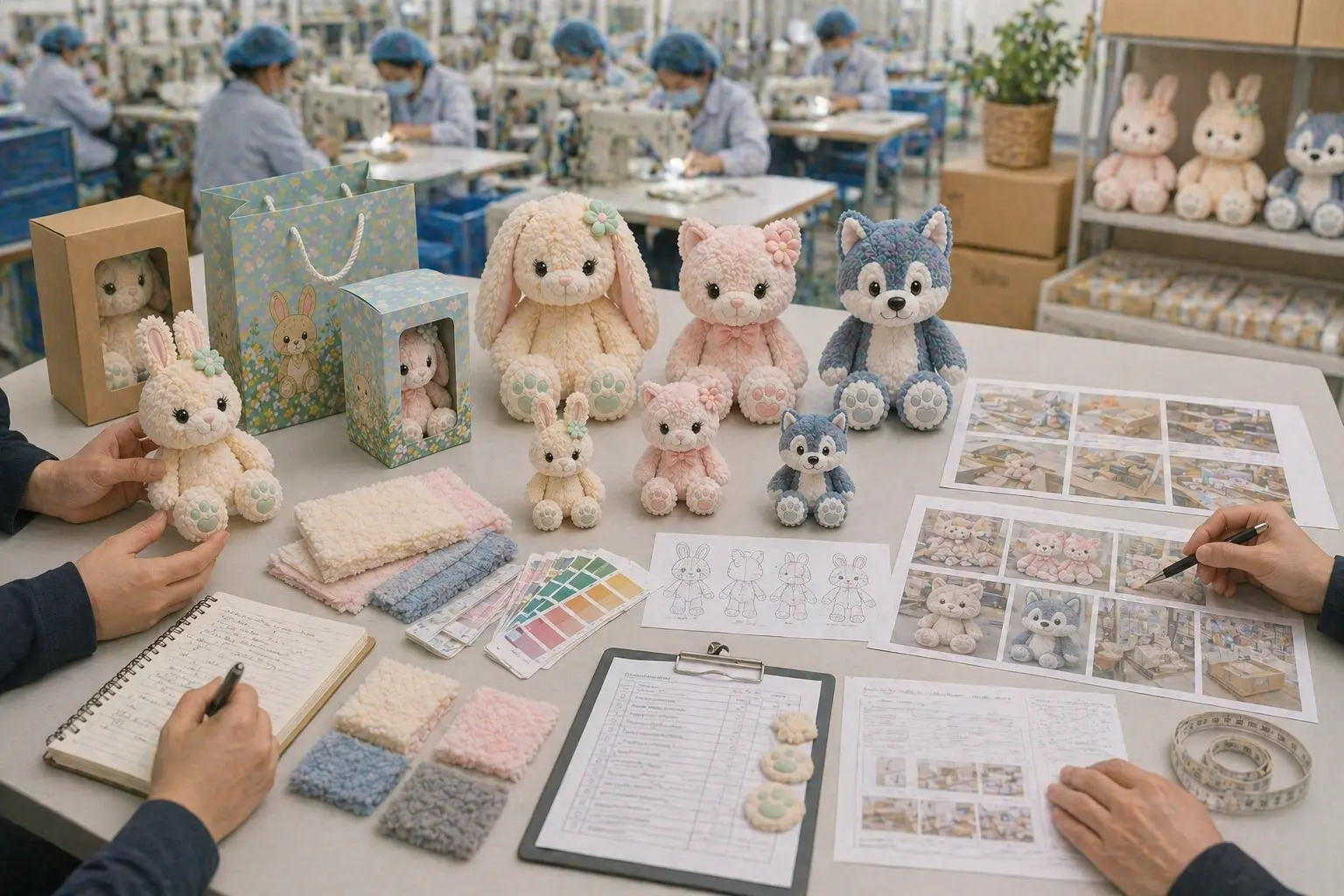
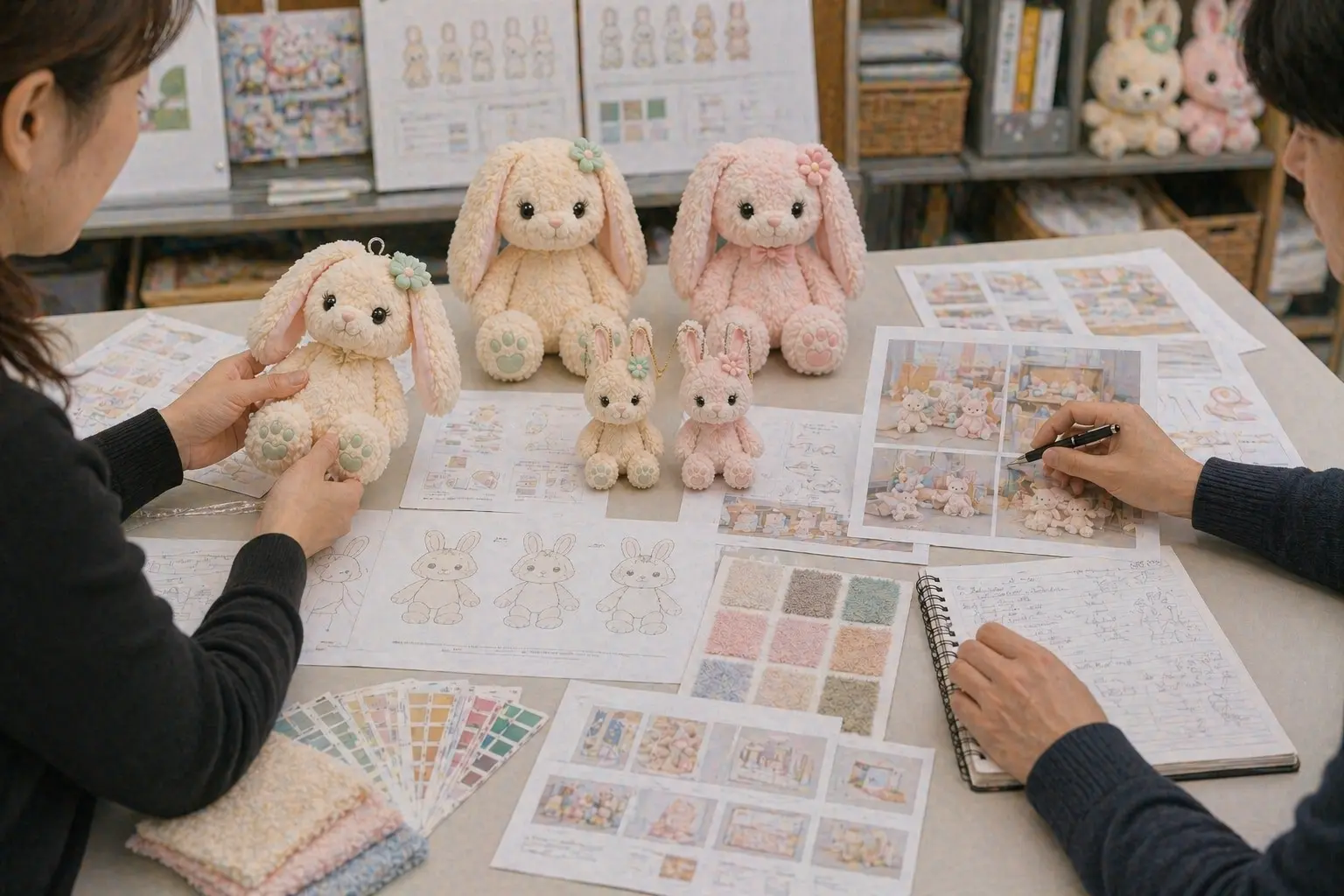
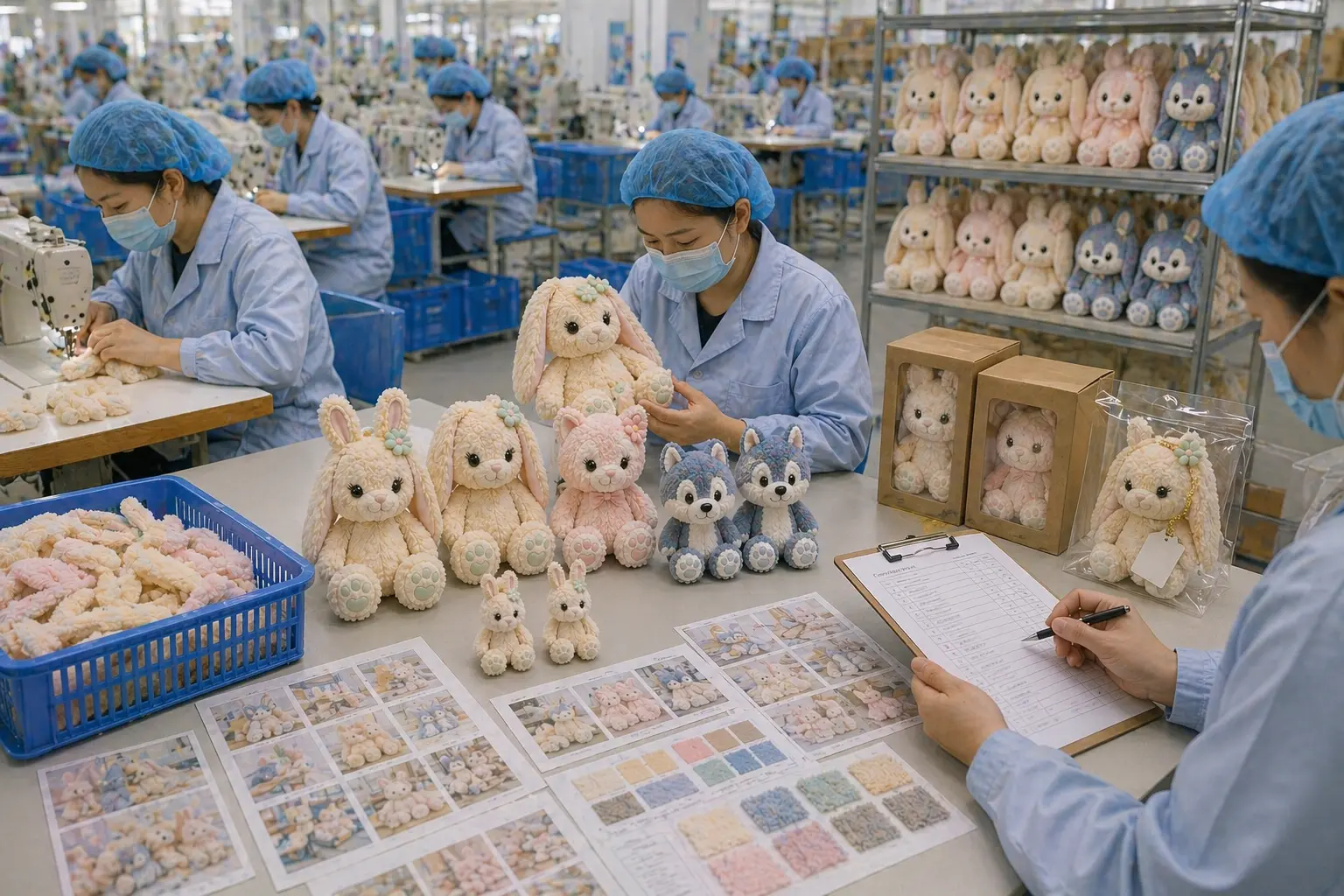
A Practical Guide to How Plush Projects Actually Move Forward
Buyers usually need more than a factory claim that “we handle everything.” They need to understand how a project is evaluated, how samples are refined, what affects lead time, how quality is controlled, and how production is organized before shipment.
This page is designed to make that workflow easier to understand for brand owners, product teams, sourcing managers, and project coordinators.
Brand Teams
Review how product ideas move into manufacturable plush lines with sample and production coordination.
Sourcing Teams
Understand what information supports a clearer RFQ, sample review, and mass production plan.
Project Managers
Use this workflow to align expectations around timing, revisions, QC, and delivery preparation.
Retail Programs
Check how packaging, labels, and shipment-facing preparation fit into the full manufacturing process.
Manufacturing Process Overview
A structured process helps reduce confusion between concept stage, sample stage, bulk production, and shipment preparation.
Project Review
Review product concept, target market, quantity, packaging needs, and manufacturing feasibility.
Design Development
Translate sketches, references, or concepts into a clearer plush development direction and technical basis.
Material Planning
Confirm suitable fabrics, filling, trims, and packaging-related materials according to project goals.
Sample Development
Develop sample units, review structure and appearance, and refine the product before bulk production.
Production Setup
Prepare patterns, production method, QC checkpoints, and workflow details for a more stable bulk run.
Bulk Production
Move into organized production with process control, communication, and milestone-based execution.
Quality Control
Use incoming checks, in-line reviews, final inspection, and required control steps before shipment release.
Packaging & Delivery
Coordinate final packaging, carton marks, logistics planning, and shipment-facing document preparation.
Development to Production Workflow
The exact schedule depends on complexity, revision rounds, quantity, and packaging scope, but the workflow usually follows these stages.
Brief Review & Requirement Alignment
Clarify concept, size, quantity, target market, packaging needs, and expected project scope before development starts.
- • Project brief and reference review
- • Feasibility and quotation basis
- • Material and market assumptions
- • Development path confirmation
Design Translation & Sample Planning
Organize design references, materials, and technical decisions needed to move into first sample development.
- • Design interpretation and structure planning
- • Material direction confirmation
- • Workmanship notes and risk points
- • Sample scope planning
Sample Development & Revision
Develop sample units, review structure, facial expression, fabric behavior, trim details, and incorporate revisions as needed.
- • First sample execution
- • Appearance and workmanship review
- • Revision feedback and adjustment
- • Approved sample direction
Production Preparation
Convert approved sample decisions into patterns, production notes, QC checkpoints, and workflow settings for bulk manufacturing.
- • Pattern and process setup
- • Material sourcing readiness
- • QC and packaging preparation
- • Production planning confirmation
Bulk Production & Control
Carry out bulk production with in-process control, communication checkpoints, and issue handling where necessary.
- • Bulk manufacturing execution
- • In-line review and monitoring
- • Consistency and defect control
- • Packaging coordination during production
Final Inspection & Shipment Release
Finish with final inspection, packaging completion, logistics handoff, and the shipment-facing information required for delivery.
- • Final quality review
- • Carton and pack verification
- • Shipment coordination
- • Delivery documentation readiness
What Usually Affects Timing Most
Factory Collaboration Logic
A good plush project depends not only on manufacturing capacity, but on how clearly the factory and buyer collaborate from start to finish.
Project Assessment
Start by reviewing product complexity, target market, order intent, packaging scope, and expected development path.
Clear Responsibility Flow
Better projects usually have clearer ownership for design feedback, sample approval, packaging sign-off, and production confirmation.
Transparent Communication
Milestone-based updates, organized revision feedback, and shipment-facing coordination reduce misunderstandings later.
Built-In Quality Logic
Good quality control is not only a final step. It should influence sample decisions, process setup, and in-line review logic.
Problem-Solving Flexibility
Strong factory collaboration means responding to material, workmanship, or timing issues with workable alternatives rather than delays alone.
Long-Term Execution Fit
A useful manufacturing partner supports not just one order, but broader line extensions, replenishment, and future launch planning.
Frequently Asked Questions
Common questions buyers ask about plush development, production setup, lead time, materials, and delivery workflow.
What is the MOQ for custom plush products? +
How long does a plush project usually take from development to delivery? +
Can you support testing and safety workflow for target markets? +
Can you provide samples before bulk production? +
Can we specify custom fabrics, trims, and packaging? +
Do you also support packaging and shipment coordination? +
Related Manufacturing Resources
Additional topics buyers often review when planning a plush manufacturing project.
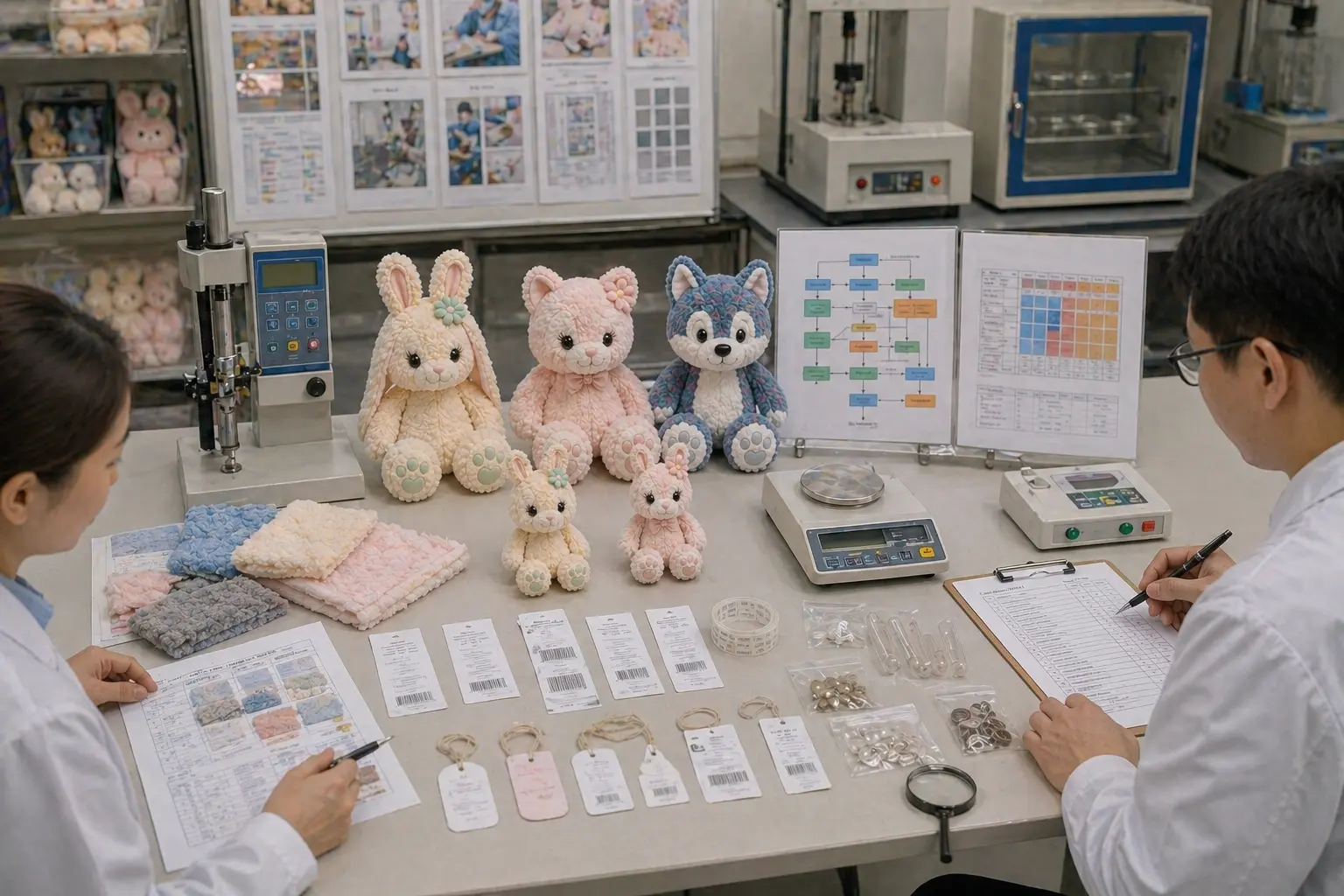
International Safety Standards for Plush Products
A practical overview of EN71, ASTM F963, CPSIA support direction, labeling, and documentation planning for global markets.
Read More →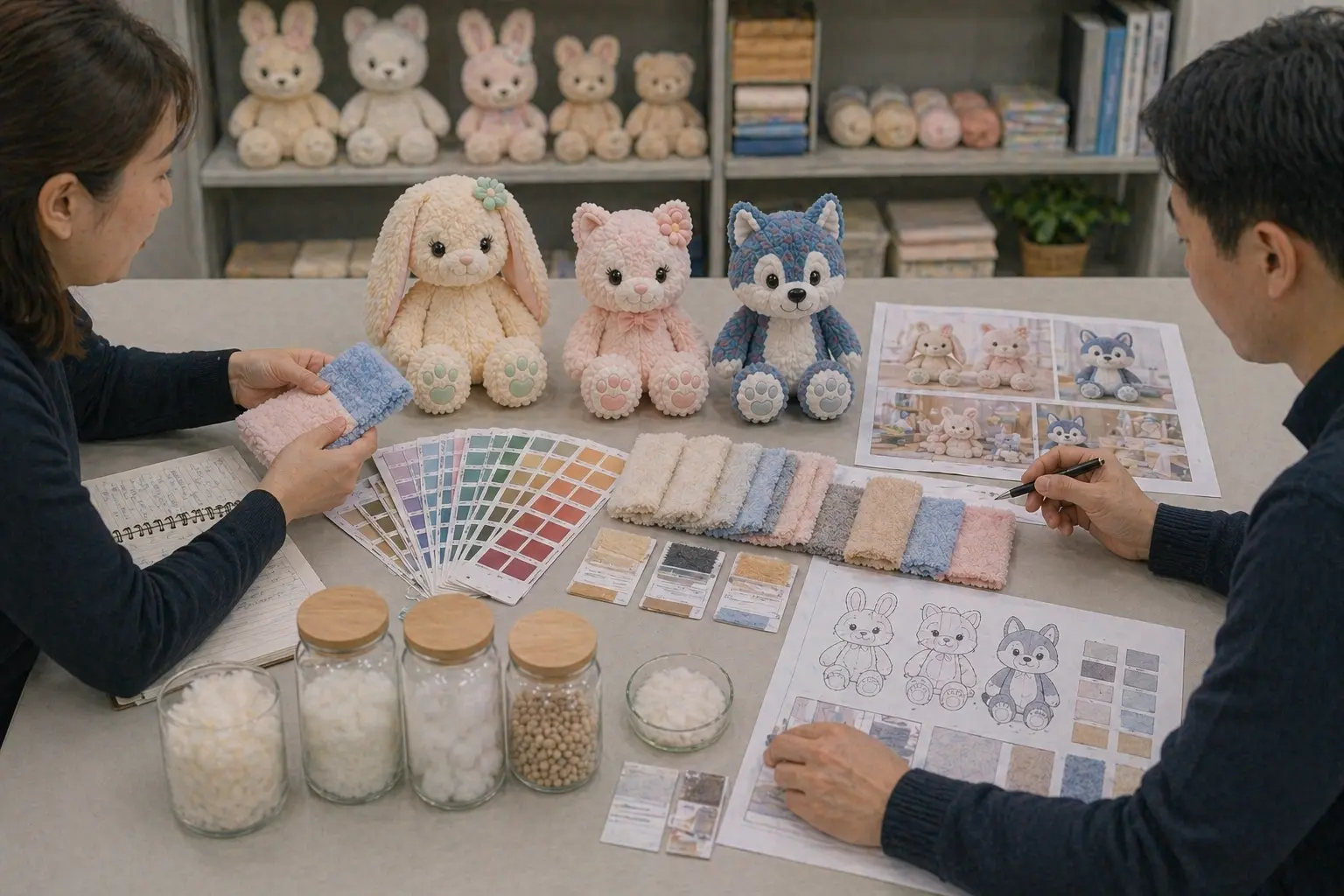
Choosing the Right Materials for Your Plush Products
Review fabric, filling, and trim decisions that affect hand-feel, durability, cost, and compliance planning.
Read More →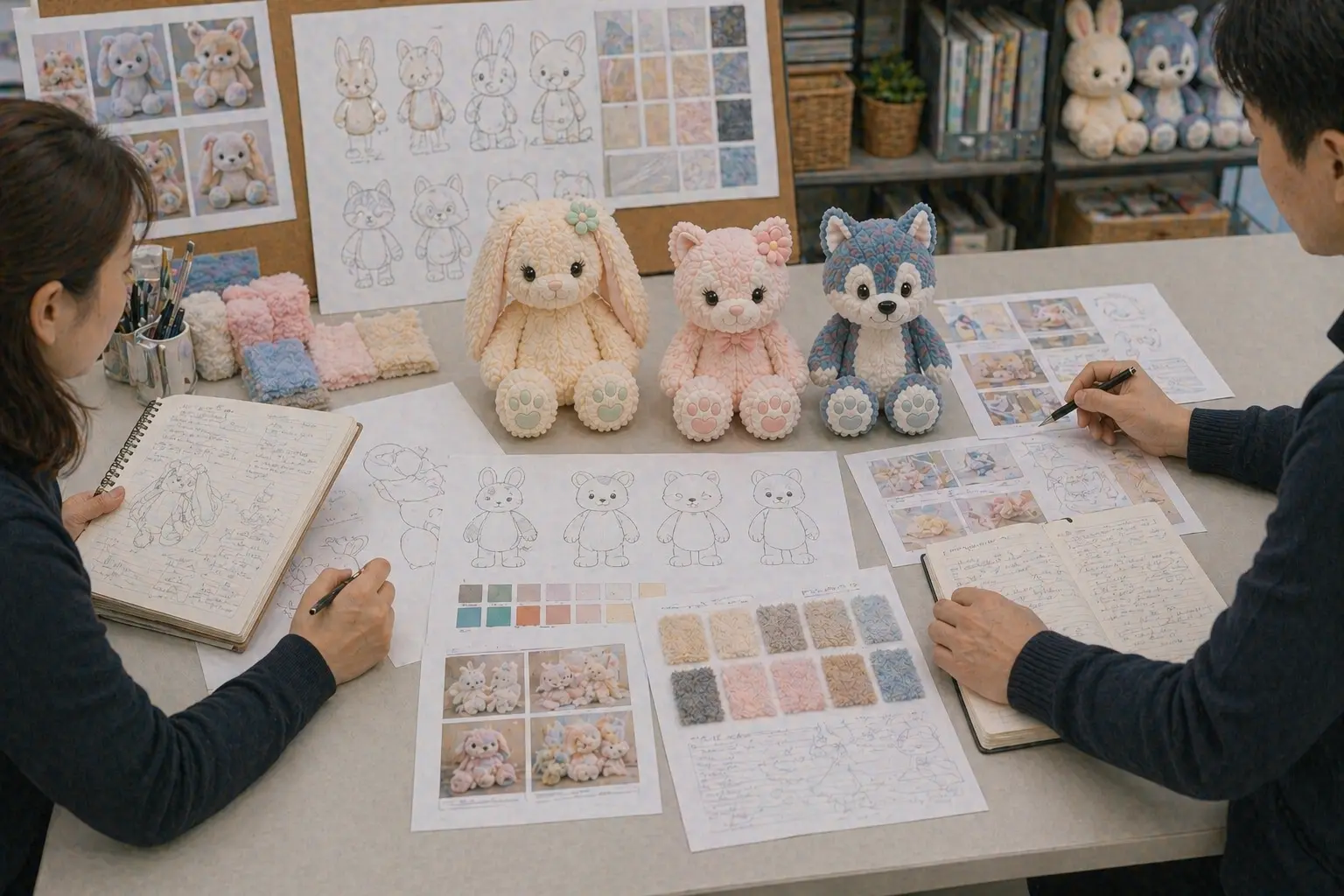
From Concept to Sample: Design Best Practices
Useful tips for creating plush designs that are easier to develop, revise, and manufacture at scale.
Read More →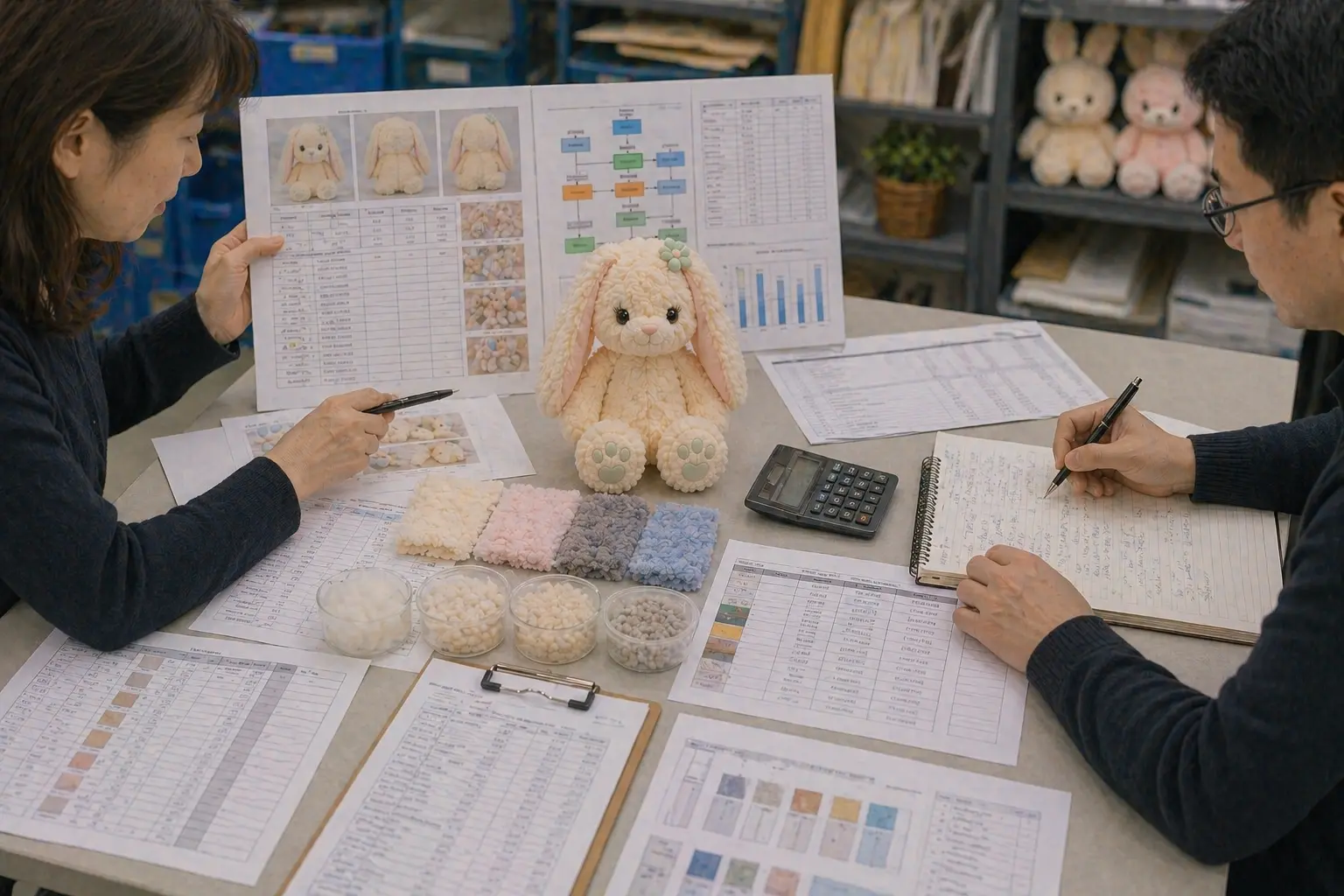
Optimizing Manufacturing Cost Without Losing Control
Understand how materials, design complexity, MOQ, and packaging influence unit cost and production efficiency.
Read More →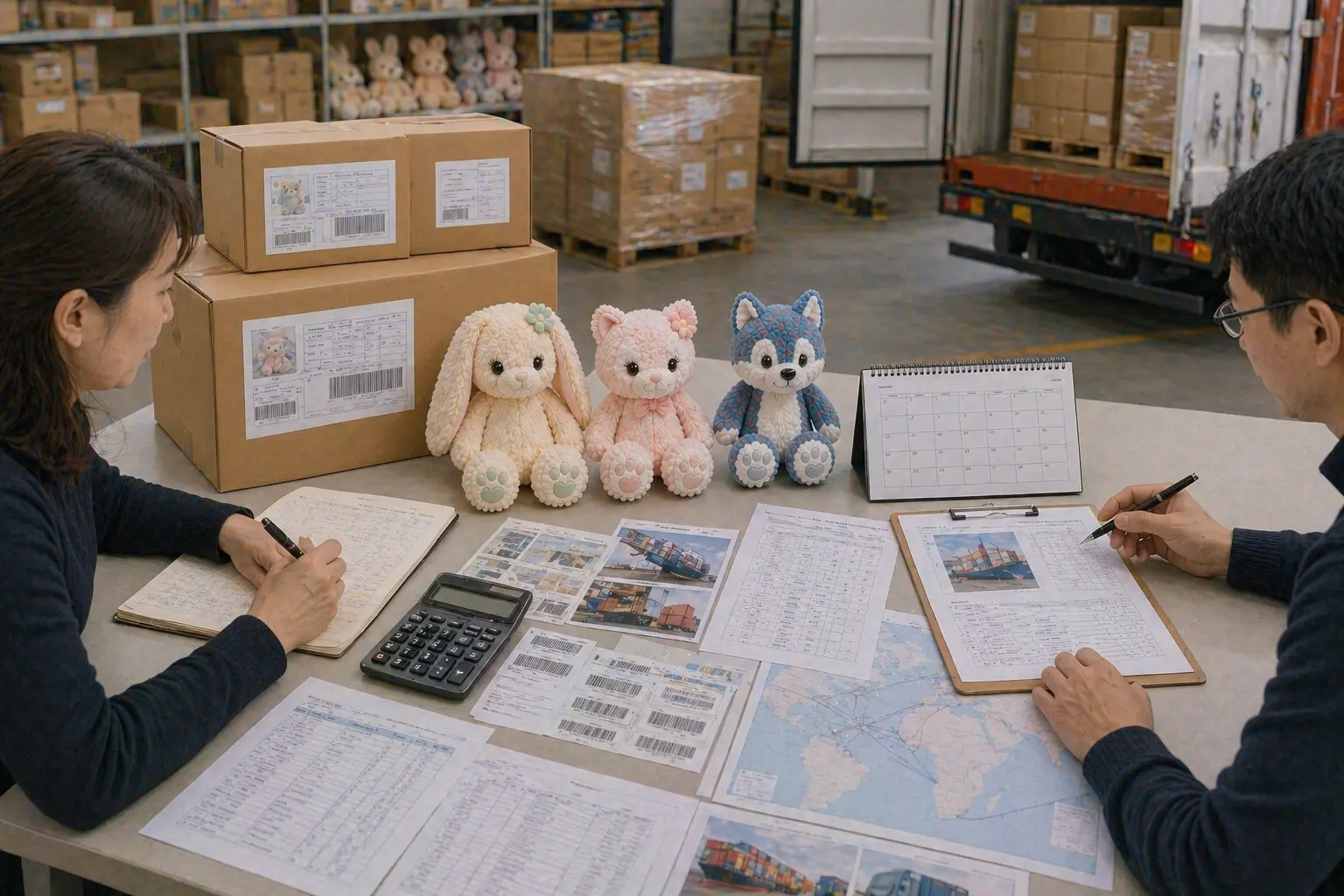
Global Supply Chain Planning for Plush Manufacturing
Review packaging, shipping, and coordination topics that affect delivery readiness and channel support.
Read More →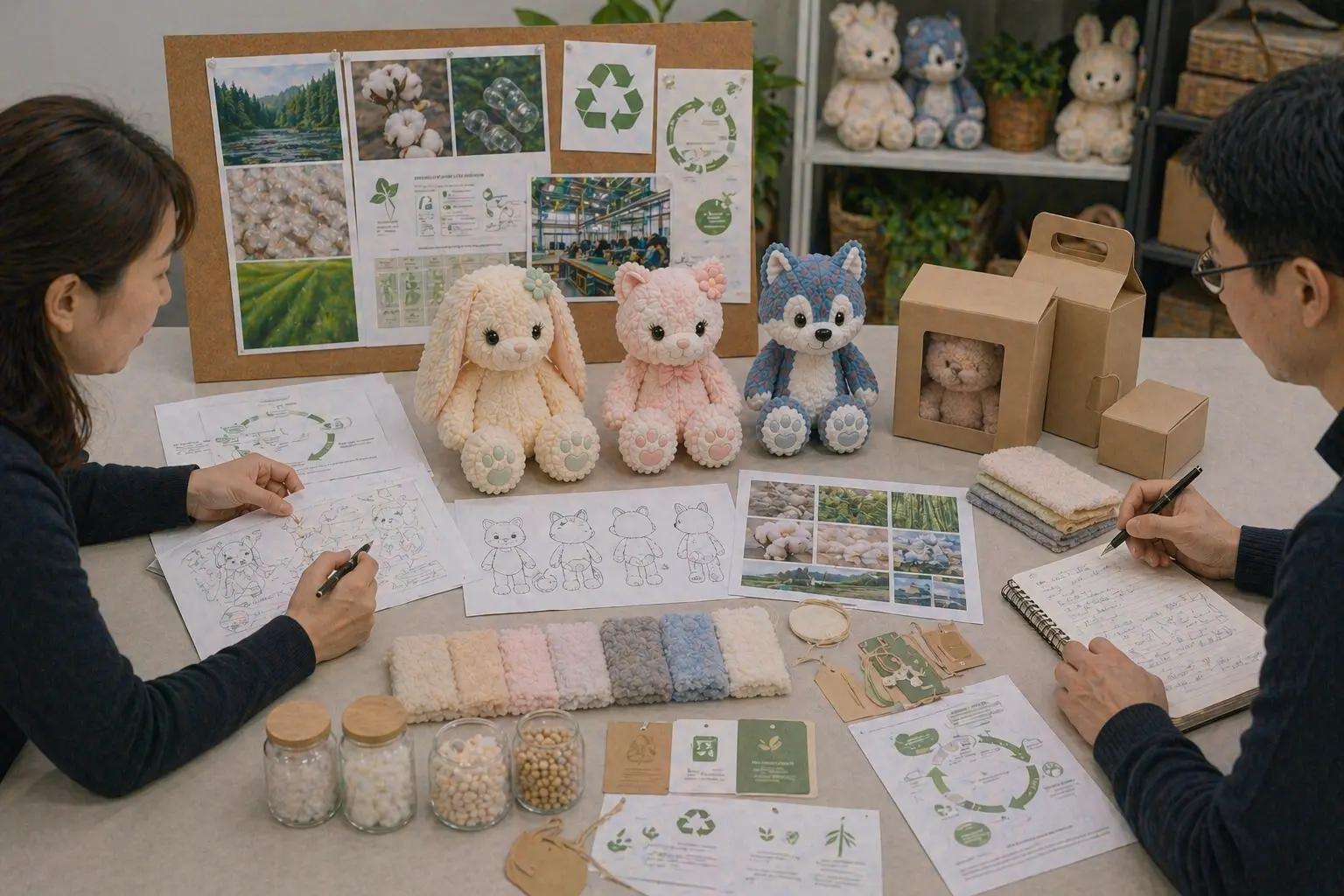
Sustainable Manufacturing Practices in Plush Production
Explore how materials, packaging, and process decisions can support more responsible manufacturing goals.
Read More →Ready to Start Your Manufacturing Project?
Share your concept, quantity, target market, and packaging expectations. We can help review the next steps from sample development to production and delivery planning.
Email: sales@plushmake.com