
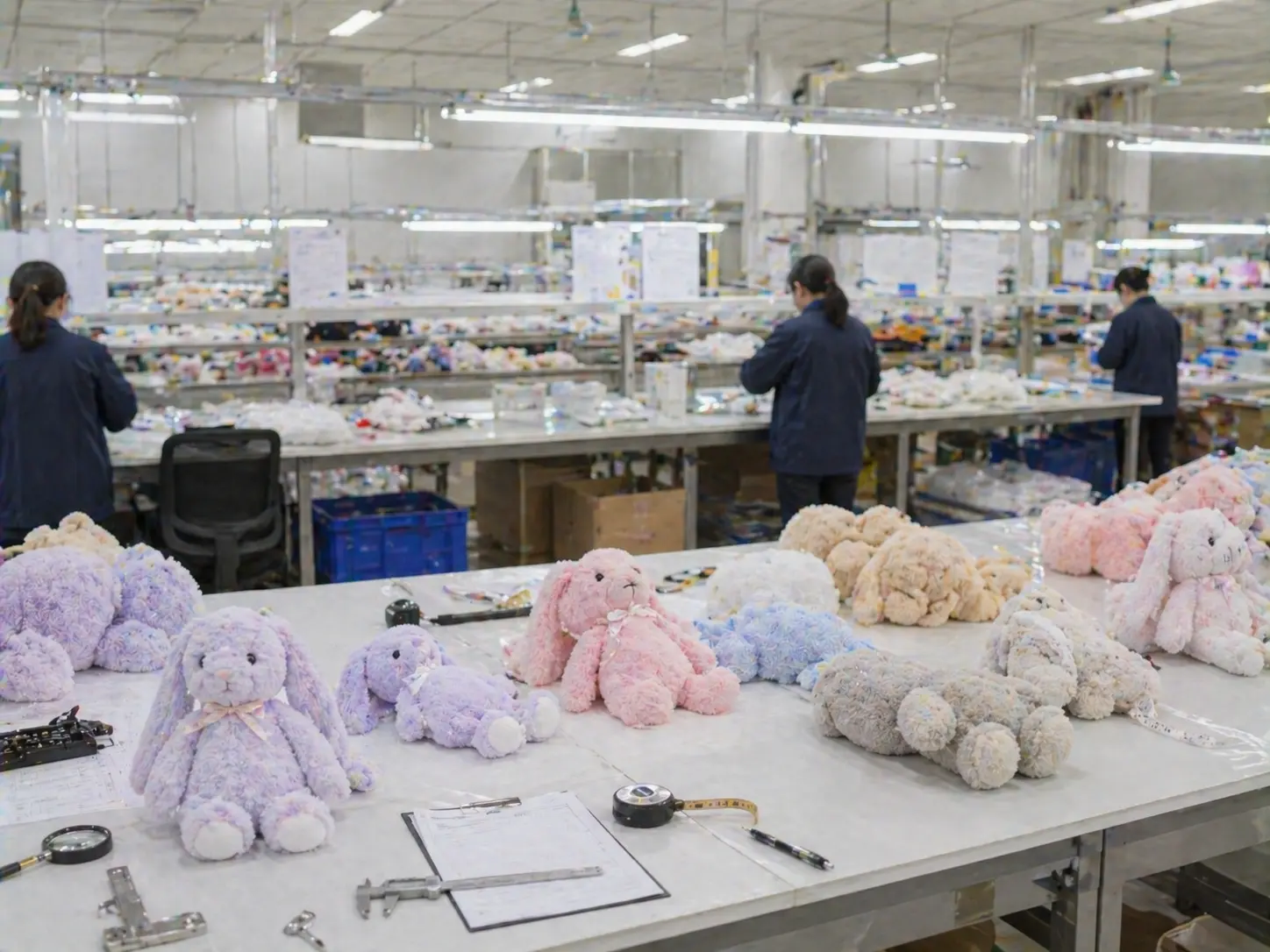
QC Process &
AQL Standards
A practical QC framework for plush manufacturing — from incoming materials to pre-shipment inspection — built around ISO 2859-1 sampling logic, batch traceability, and safety-focused release control.
Request a QC flow PDF, AQL checklist, and redacted report sample. NDA available.
Technical email: engineer@plushmake.com
Quality Control Framework
Quality is built into each stage of production. We combine 100% safety gates with AQL sampling for workmanship and appearance, supported by traceable records and corrective action closure.
100% Safety Gates
Every shipment is protected by safety-focused controls such as needle detection, sharp-point screening, and labeling verification.
- Needle detection (100% coverage)
- Sharp point / edge screening
- Labeling & warning verification
ISO 2859-1 AQL Sampling
Sample size is determined by lot size and inspection level. Default is Normal / Level II unless your customer standard specifies otherwise.
- Critical defects: 0 tolerance
- Major defects: AQL 2.5
- Minor defects: AQL 4.0
Compliance & Testing Support
Test planning can be aligned with market, age grading, and product features. Third-party lab testing can be coordinated when required.
- CPSIA / ASTM F963 (US)
- EN 71 / REACH (EU)
- RoHS (when applicable)
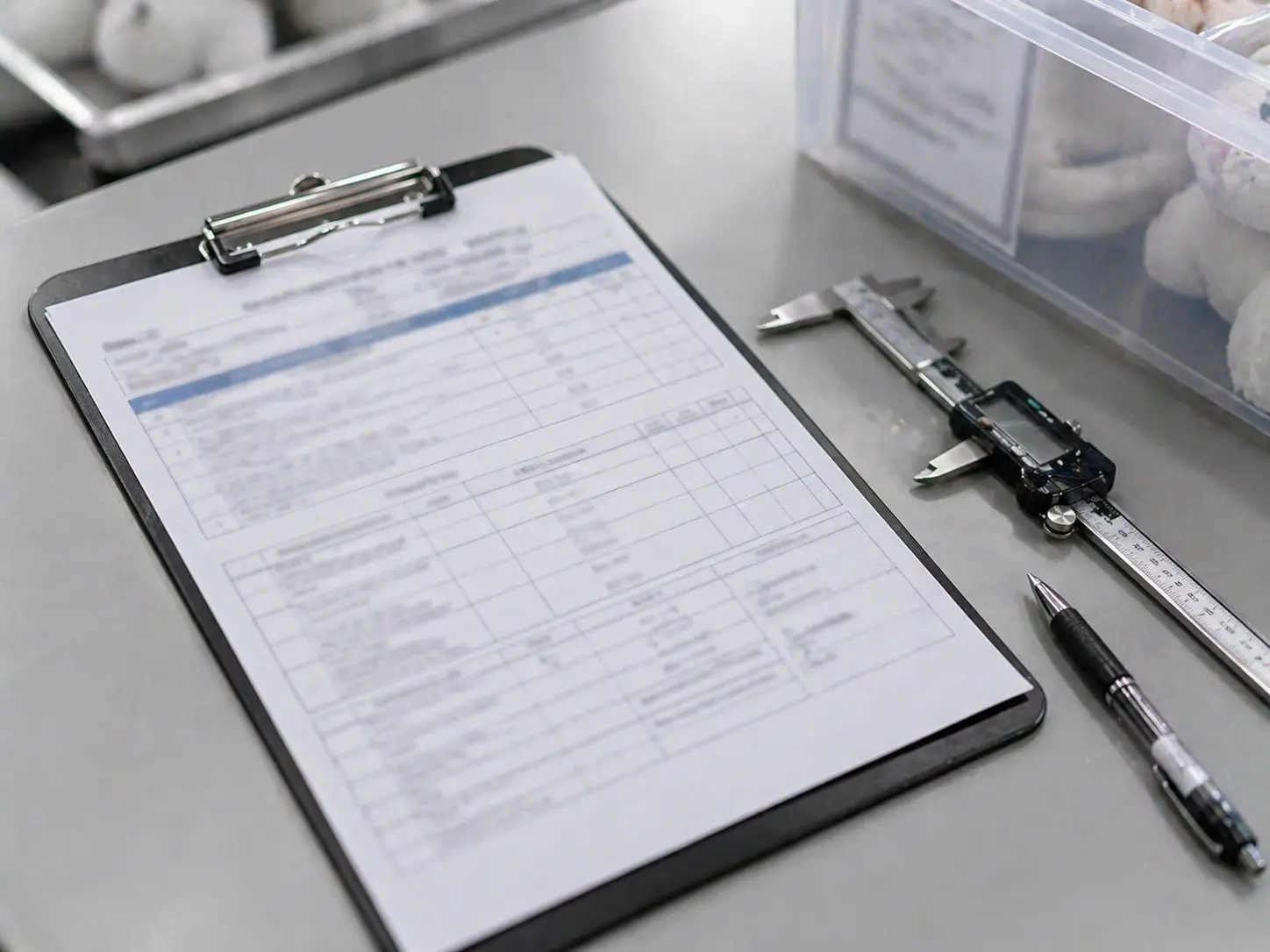
IQC / IPQC / FQC / PSI report formats with photo evidence and measurement fields.
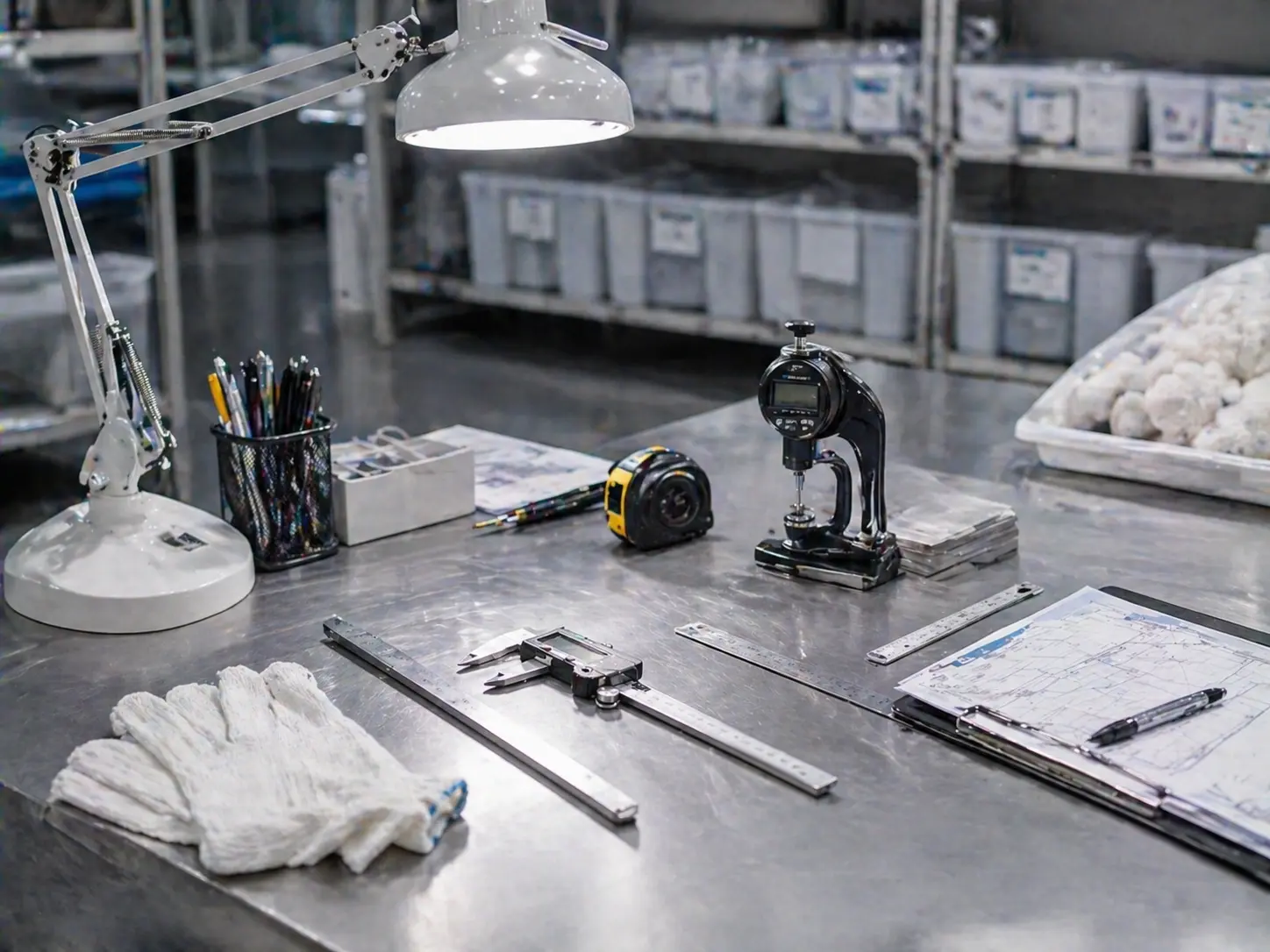
Calipers, gauges, pull-test fixtures, and standardized checklists to reduce subjectivity.
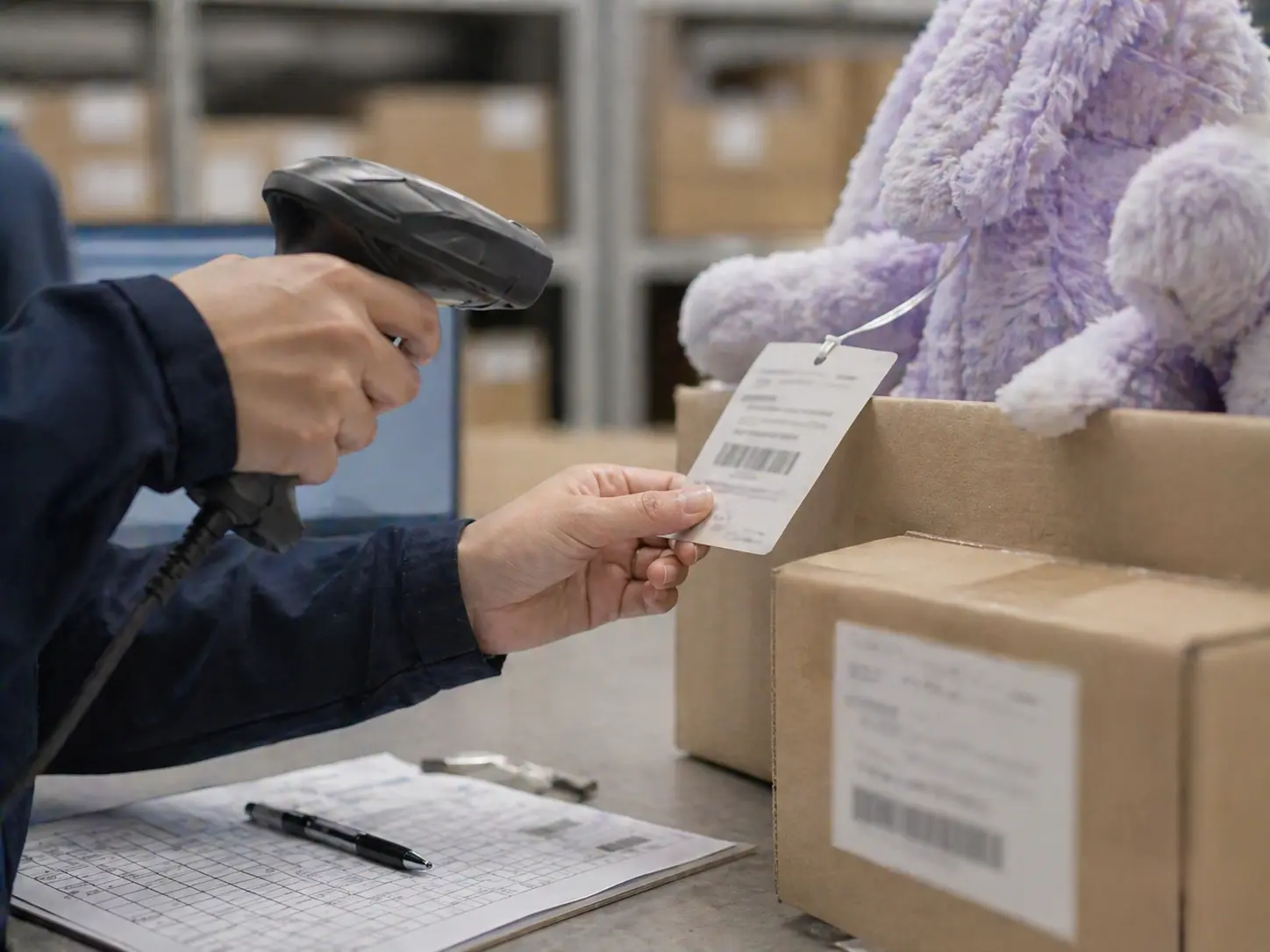
Lot and batch tracking supports faster root cause analysis and controlled release decisions.
Quality Control Process Flow
End-to-end checkpoints with defined criteria, ownership, and records — designed for more consistent outcomes across batches.
Incoming Material Inspection (IQC)
Verify materials against specs, approvals, and safety baselines before they enter production.
- • Fabric shade & hand-feel vs approved sample
- • Stuffing safety / contamination screening
- • Trims & accessories durability checks
- • Supplier docs validation (when required)
Production Process Control (IPQC)
In-line checkpoints prevent defect accumulation and stabilize workmanship consistency.
- • Cutting accuracy & pattern alignment
- • Stitching quality (seam, tension, missed stitches)
- • Stuffing density & symmetry controls
- • Assembly checks for parts & placement
Final Quality Inspection (FQC)
AQL sampling for workmanship and appearance, plus verification of key functional and safety criteria.
- • Visual appearance & workmanship grading
- • Dimensional measurement vs tolerance
- • Function checks (sound / light / attachments)
- • Safety checks per product scope
Pre-Shipment Inspection (PSI)
Shipment-level verification: packaging, labeling, quantity, assortment, and document completeness.
- • Packaging integrity & carton review
- • Hangtags / labels / warnings verification
- • Quantity & assortment confirmation
- • Required docs pack check (if applicable)
Safety Gate: 100% Needle Detection
A mandatory release gate before final packing or shipment for plush products. Any alarm triggers isolation, re-screening, and batch-linked closure records.
- • Detection coverage for every unit
- • Alarm isolation & controlled disposition
- • Batch record linkage to shipment
AQL Sampling Standards
We apply ISO 2859-1 AQL sampling. Sample size is calculated from lot size and inspection level, then acceptance / rejection is evaluated against the agreed AQL targets.
Default AQL Targets
These are common targets for plush goods. Customer standards can override them. Critical defects are always treated as 0 tolerance.
| Defect Type | AQL Level | Sample Size |
|---|---|---|
|
Critical Defects
Safety hazards, regulatory non-compliance
|
0 | Per ISO 2859-1 |
|
Major Defects
Functional failures, poor workmanship
|
2.5 | Per ISO 2859-1 |
|
Minor Defects
Cosmetic issues, minor variations
|
4.0 | Per ISO 2859-1 |
- • Default: Normal inspection, Level II
- • If repeated issues occur: switch to Tightened
- • If stable over multiple lots: consider Reduced
Exact switching logic follows your customer standard or the agreed QC plan.
Critical Defects (0 Tolerance)
- • Small parts / detachment risk
- • Sharp edges, points, exposed wire or needle risk
- • Restricted substances / non-compliant materials
- • Structural failure impacting safety
- • Missing required warnings or labels (where applicable)
Major Defects (AQL 2.5)
- • Poor stitching, open seams, skipped stitches
- • Incorrect dimensions beyond tolerance
- • Color mismatch vs approved sample
- • Malfunctioning components
- • Packaging damage affecting presentation
Minor Defects (AQL 4.0)
- • Minor cosmetic imperfections
- • Slight color variation within tolerance
- • Small packaging crease or scuff
- • Small loose thread ends
- • Minor label position deviation
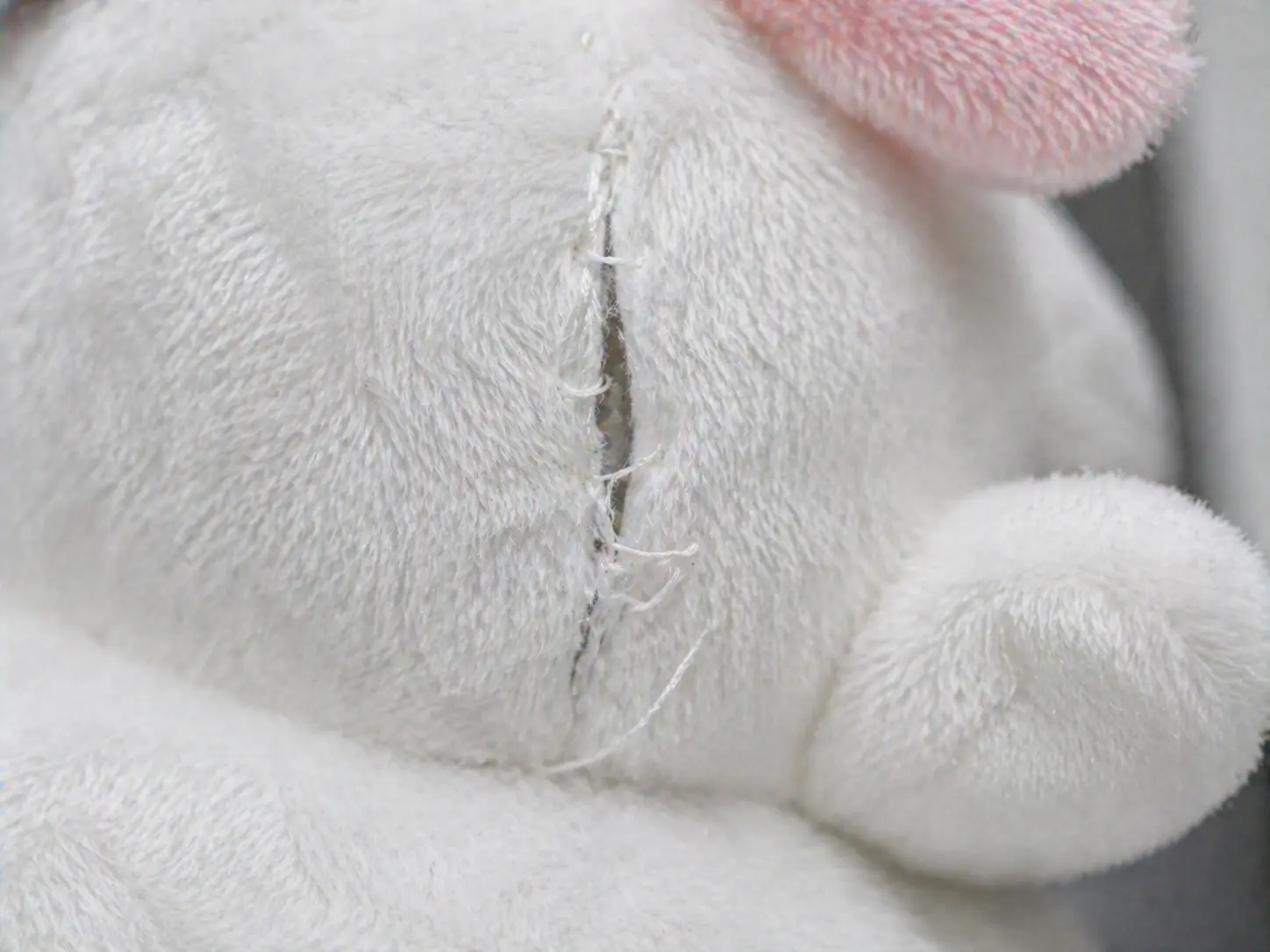
Visual references help reduce ambiguity between major and minor defects.
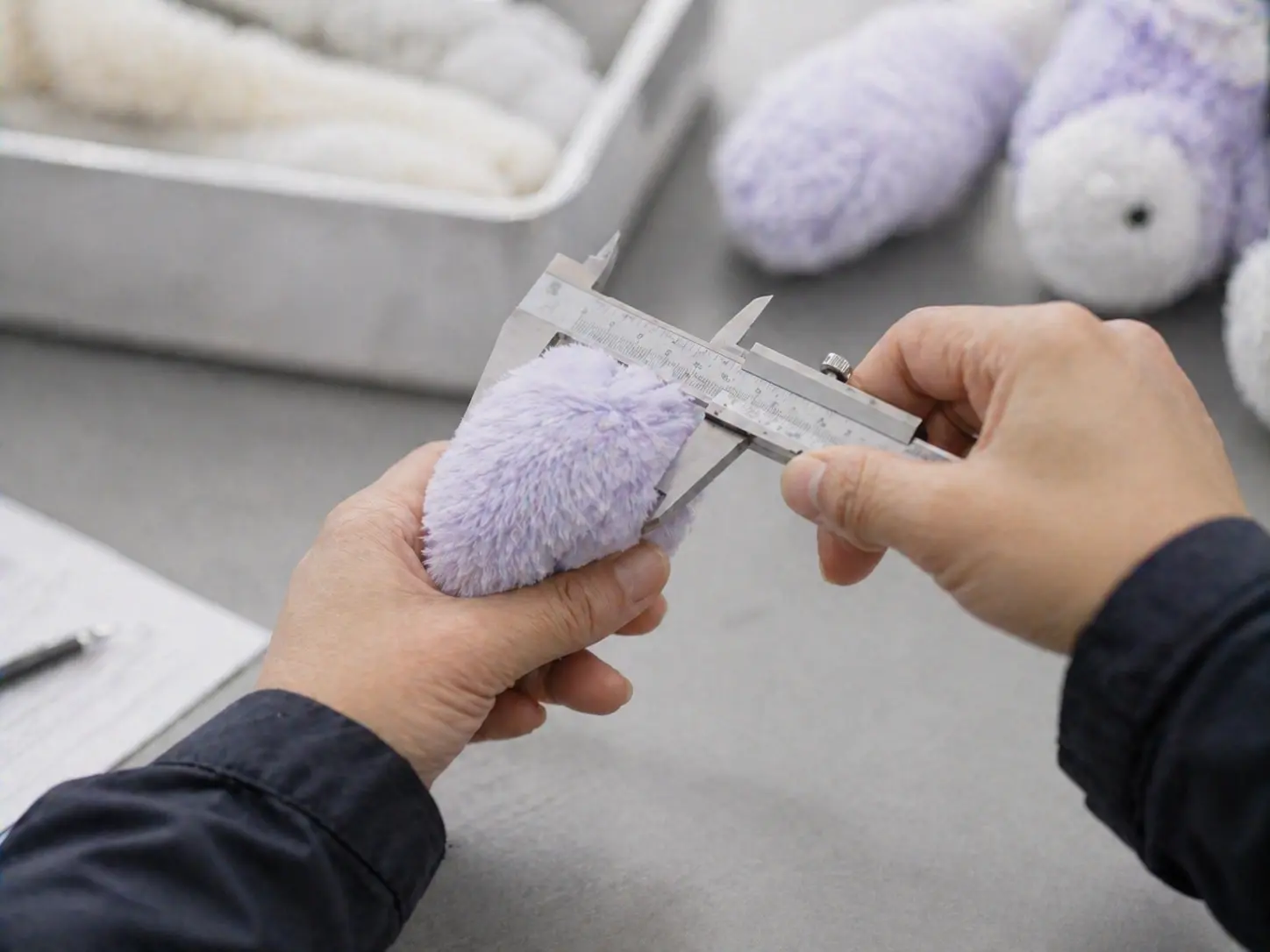
Critical dimensions are measured against spec sheets and approved samples.

Carton integrity, labeling accuracy, and assortment confirmation before release.
Testing & Certification Support
Testing scope depends on market, age grading, materials, and product features. We can align test plans and provide documentation packs on request.
CPSIA / ASTM F963
Common for US-market toy and children’s product compliance.
EN 71
European toy safety requirements for physical and chemical properties.
REACH
Chemical substance restrictions and SVHC considerations for EU projects.
RoHS (When Applicable)
Relevant for products with electronic components or specific retailer requirements.
Inspection & Testing Tools
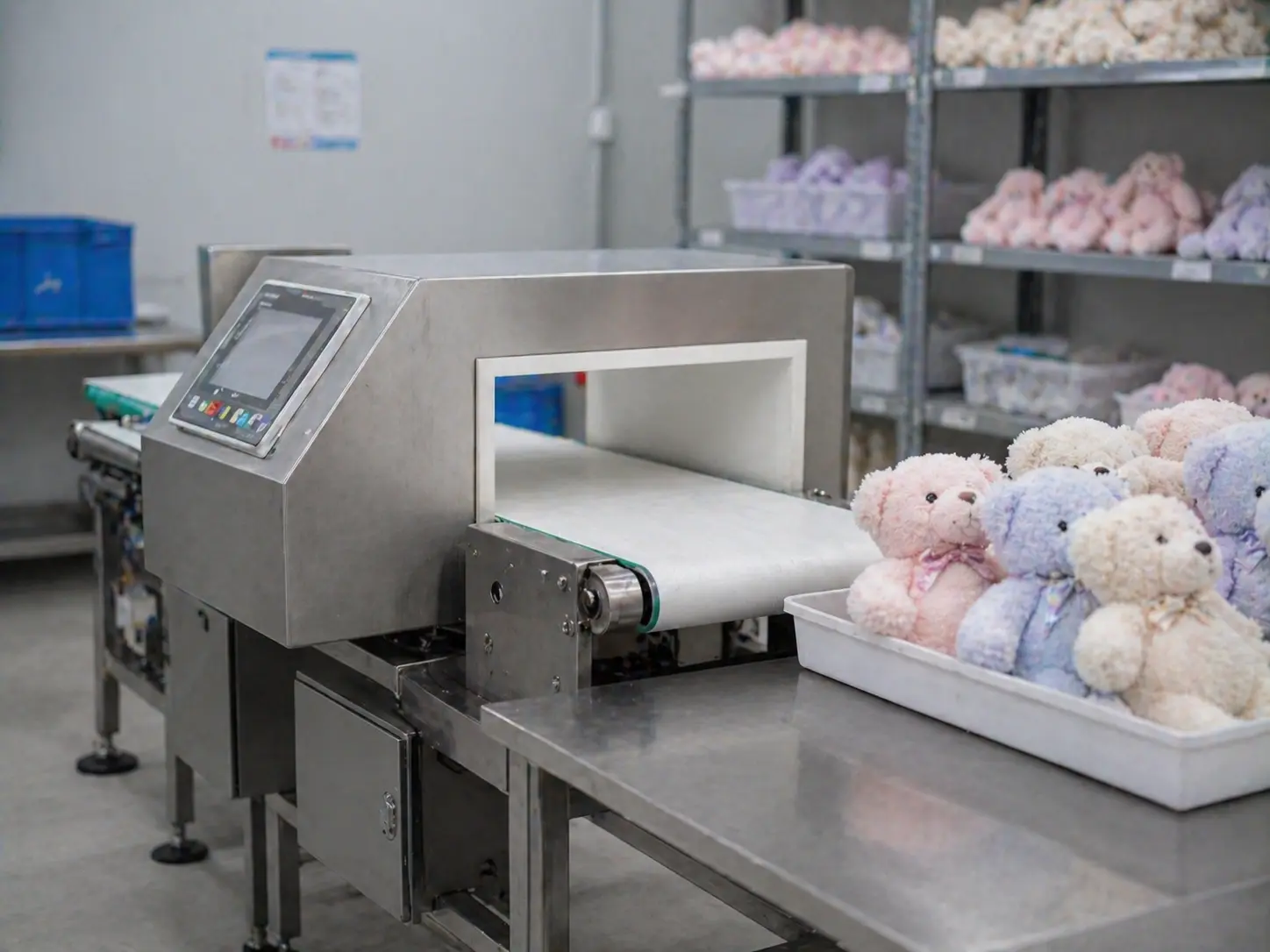
Needle Detection
High-sensitivity screening for metal contamination risk.
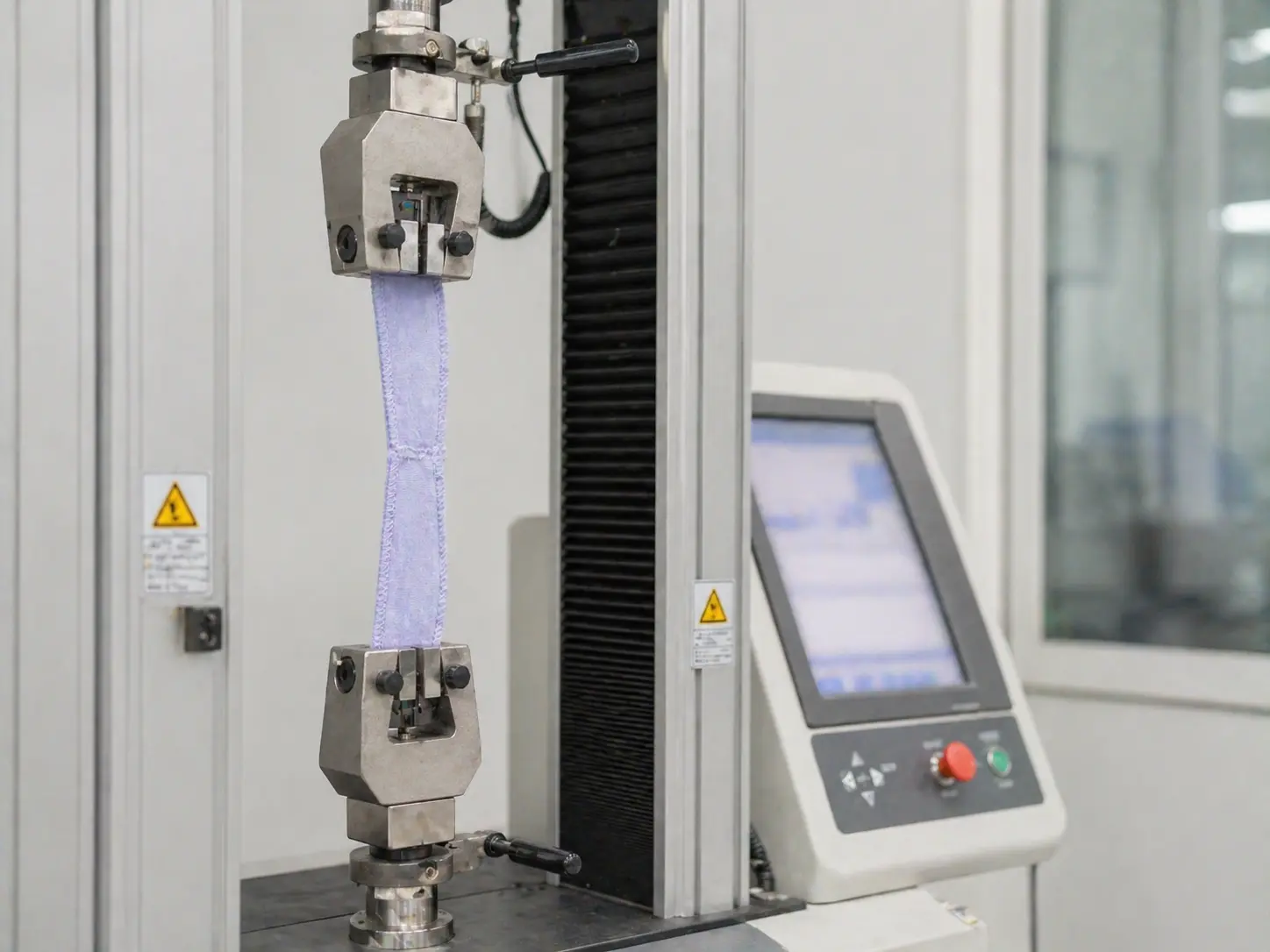
Tensile / Pull Tests
Verify seam strength and attachment durability.
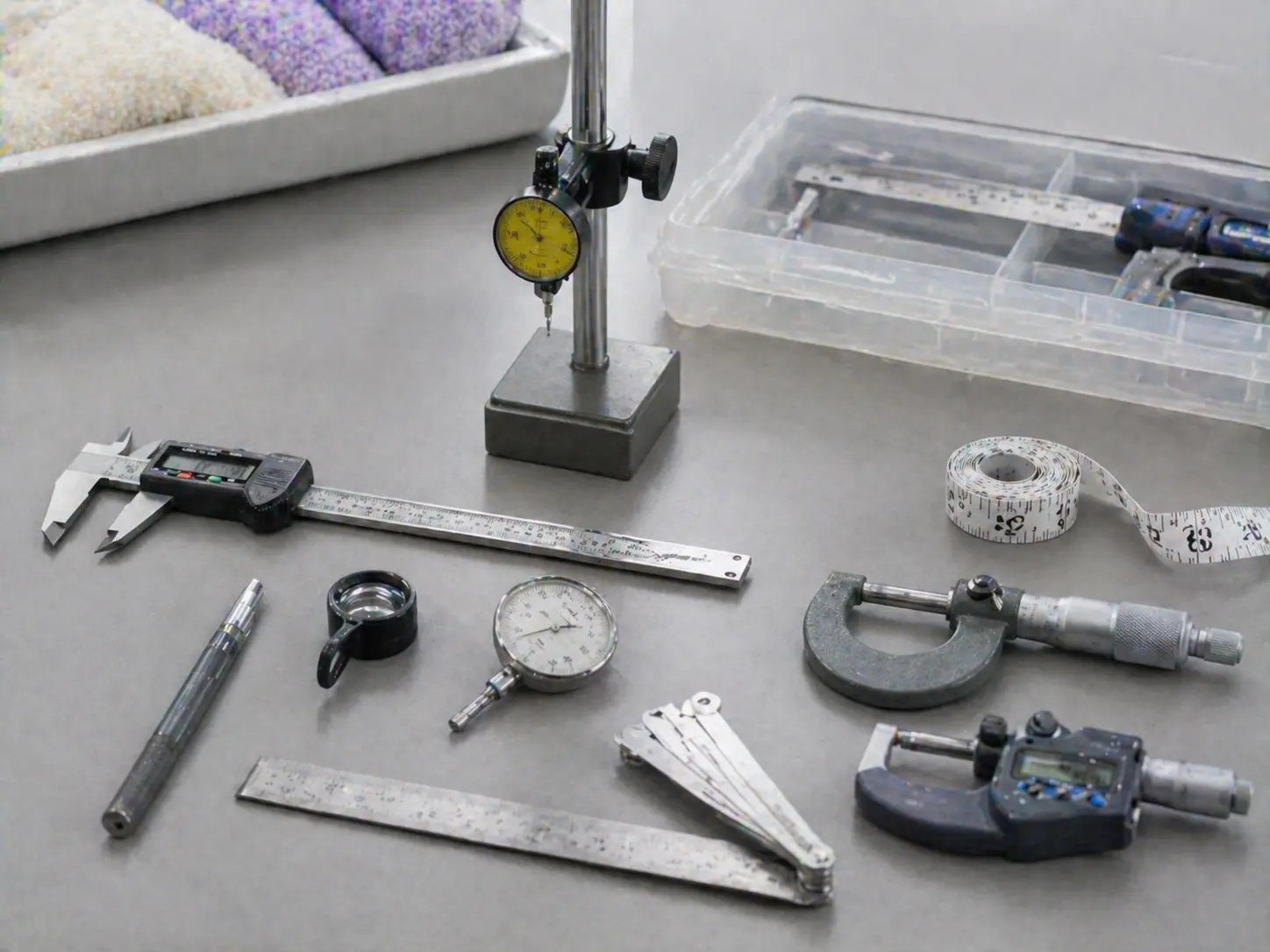
Dimensional Checks
Calipers and gauges for tolerance verification.
QC Documentation & Records
Clear records reduce audit friction. We provide traceable documentation and closure notes for deviations and corrective actions.
Inspection Reports
Standardized templates across IQC / IPQC / FQC / PSI, with photos, measurements, and disposition results.
- IQC incoming inspection records
- IPQC in-line monitoring logs
- FQC AQL sampling report
- PSI shipment verification report
Test Certificates
Certificates and test reports can be bundled by SKU or material set according to audit needs.
- Safety and performance summaries
- Chemical test documentation (when required)
- Material compliance pack on request
- Third-party lab coordination available
Traceability System
Batch and lot records support faster containment and targeted corrective actions.
- Material lot tracking
- Production batch records
- Supplier qualification documents
- Shipment-level linkage
Corrective Action (CAPA)
When issues occur, we document containment, root cause, corrective action, and verification.
- Deviation & containment log
- Root cause analysis notes
- Corrective action tracking
- Effectiveness verification
Request QC Flow Pack
Tell us your market, age grading, and product features. We’ll send a tailored pack:
- QC flowchart (IQC → IPQC → FQC → PSI)
- AQL summary (ISO 2859-1)
- Redacted sample report (PDF)
- Needle detection protocol summary
Choose the path that fits your team.
Ready to Verify Quality with Real Evidence?
Get a tailored QC plan and sample documentation pack aligned with your market and customer standard.
Sample size and switching rules follow your brand requirement or the agreed QC plan.
Technical email: engineer@plushmake.com
QC & AQL FAQs
Short answers to common QA questions from enterprise buyers.
What inspection level do you use by default?
Normal inspection with ISO 2859-1 Level II is common. If your standard specifies S-levels or tightened rules, we follow your requirement.
Do you allow critical defects in sampling?
No. Critical defects are treated as 0 tolerance. Any safety-related issue triggers containment and corrective action.
Can you provide sample reports before ordering?
Yes. We can share redacted sample formats and the QC flow pack. NDA is available.
How do you handle nonconforming product?
We isolate affected lots, document deviation, analyze root cause, implement corrective action, and verify effectiveness before release.